

Questions to Better Understand Yourself
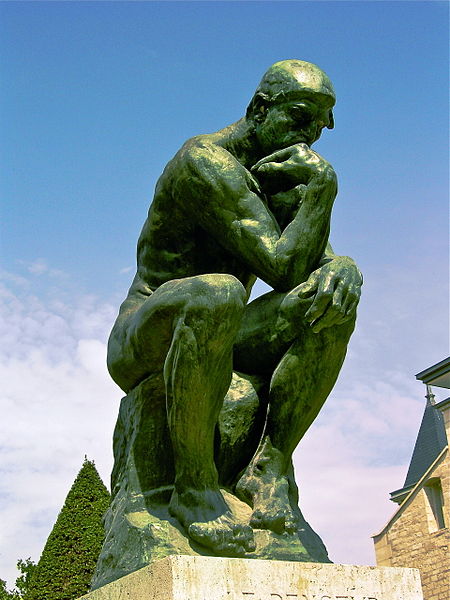
Socrates said, “To know thyself is the beginning of wisdom.”
But what does that mean?
I googled “know thyself” and found many interpretations. So I’ll define it the best I can, and you can refine or edit my definition as you see fit.
To know yourself is to be aware of your strengths and your weaknesses, to celebrate your uniqueness, and to strive toward an ideal.
The Bible says we are made in God’s image (see Genesis 1:26); therefore, we have great potential for love (because God is love—see 1 John 4:16). And because God is the Creator, we are also creators, though not on as grand a scale. But unlike God, we are not perfect. Our human condition can always use a tune up.
The tune up starts with examining ourselves and taking stock.
The examination can take many forms. Meditation. Journaling. Asking ourselves questions.
Here are some questions to help you know yourself better:
- How am I loving? How do I interact with the people in my life—my family, my friends, my coworkers, my neighbors, my superiors, my acquaintances? Am I helpful? Critical? Kind? Judgmental? Generous? Competitive?
- Does my work contribute to society? (Sometimes it may be hard to tell. Easy jobs to evaluate: brain surgeon, yes; bank robber, no. The more mundane occupations get a little harder: supermarket checker, yes; waste management engineer, yes; professional gambler, no. Professional football player, that’s a hard call.) If your work helps only yourself, maybe you should check out the next question.
- What am I doing to make the world a better place? Am I volunteering? Am I donating money to good causes? When I see someone in distress, do I stop and help? Do I clean up my own messes?
- What do I do well? What are my skills and my gifts? How am I using them?
- What are one or two skills or qualities where I am lacking? Am I patient? Do I keep in touch with my friends and extended family? Am I physically fit? Is my spending out of control?
The reason for asking yourself questions like these are to understand yourself, so that you can use your resources wisely. You may want to “spend” yourself more effectively. You may find things about yourself that you want to change. Knowing yourself truly is a path to wisdom, a way to grow and to live wisely.
If your self-examination reveals way more negatives than positives, you may be suffering from depression, or guilt, or low self-esteem, and you may need some help getting out of your slump. Counseling may be in order. At very least, sit down with someone you trust and talk about your concerns. Sometimes someone who knows you very well will be able to point out strengths you didn’t know you had.

Solitude in Nature
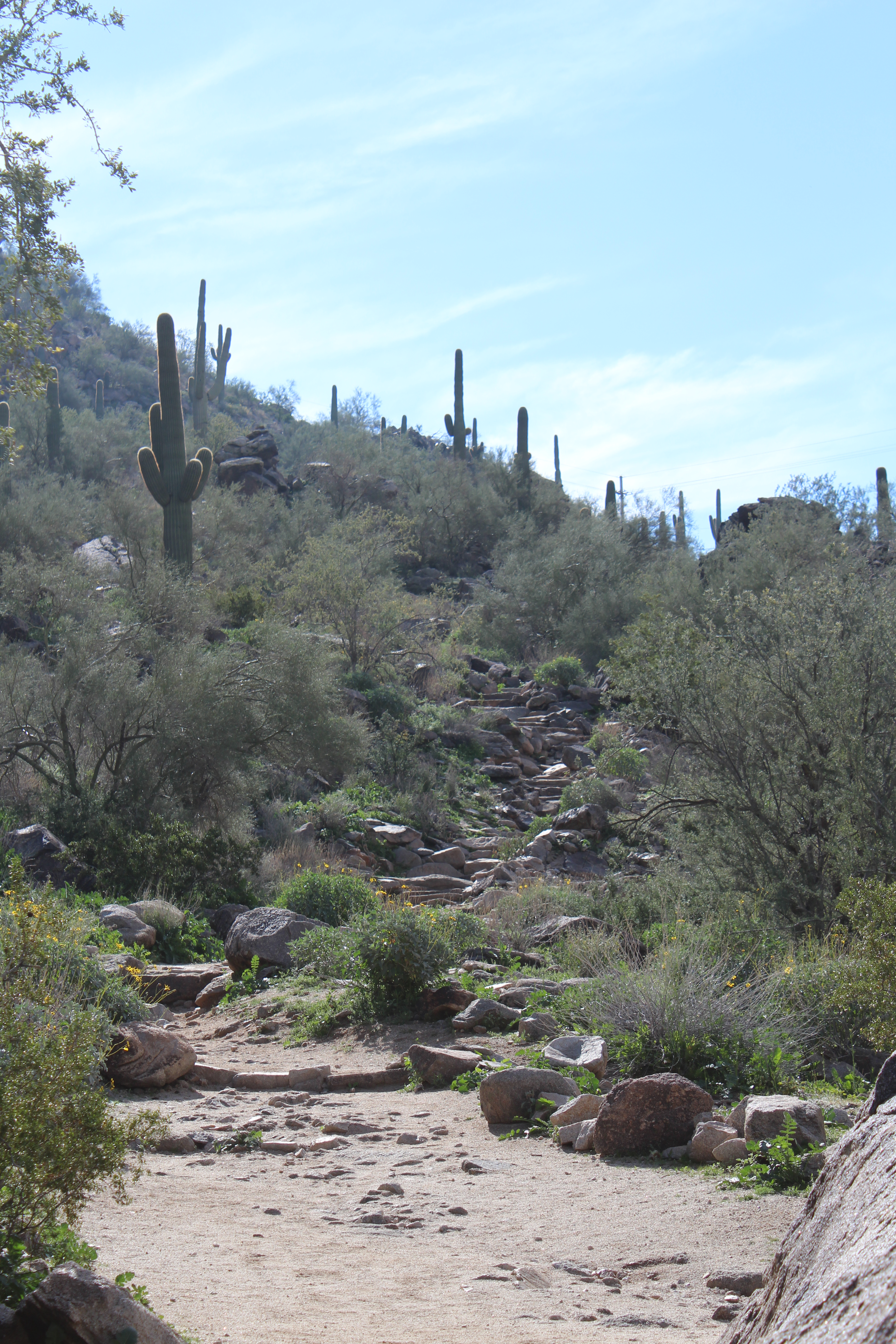
Before my husband’s body began giving out in 2020, I used to go hiking in South Mountain Park, a large natural desert park in Phoenix, quite regularly. Unfortunately, because of needing to care for Greg, I haven’t been able to do that for a long time.
Moving your body is a good thing at any age; staying active as you get older is especially important. Besides being wonderful exercise for the body and the brain, hiking also has benefits for emotional and mental health. Walking and hiking have a meditative element to them. As you stride, you notice what is around you. You are present in the moment. But you can also let your mind work on your problems—or forget your problems entirely.
Ideally, you should have a companion with you when you hike. But I’ve also hiked by myself. I wouldn’t recommend hiking an unfamiliar trail on your own, but I’ve done exactly that. There is something to be said for being alone in the wilderness.
When I first took up hiking, everything was new to me. I did a little online reading about the trails in the park. I bought some hiking boots and was delighted to find out I was more sure-footed in them than I had been in sneakers. I bought a trekking pole and found it to be very helpful for maintaining balance when forced to make large steps or walking on rocky surfaces (be sure to keep the pole in front of you).
When you’re on your own, you’re forced to be self-sufficient and make your own judgment calls. In most parks, you’re required to stay on the trails. But sometimes you can’t quite tell where the trail is. If the trail gets steep, you may have no clue where to put your feet. Hiking alone tests your mettle.
My very first hike in South Mountain Park, I went by myself. I was having a great time walking at my own pace. I hardly saw another person, and I was all right with that. After half an hour, I reached the top of a hill, and then I couldn’t tell where the trail went from there. So I turned around, feeling maybe it was time to head back. But from the top of the hill, I literally could not figure out how to get down. It looked way steeper going down than it had looked going up, and I could not identify what path I had taken to get where I was.
While I was standing there wondering what to do, an older couple crested the hill from the other direction and began making their way down without any of the hesitancy I was feeling. I watched where they stepped and followed them. They stopped as if they were waiting for me, but I said, “No, go on ahead—I don’t want to slow you down.” I actually caught up to them a while later where the ground was more level.
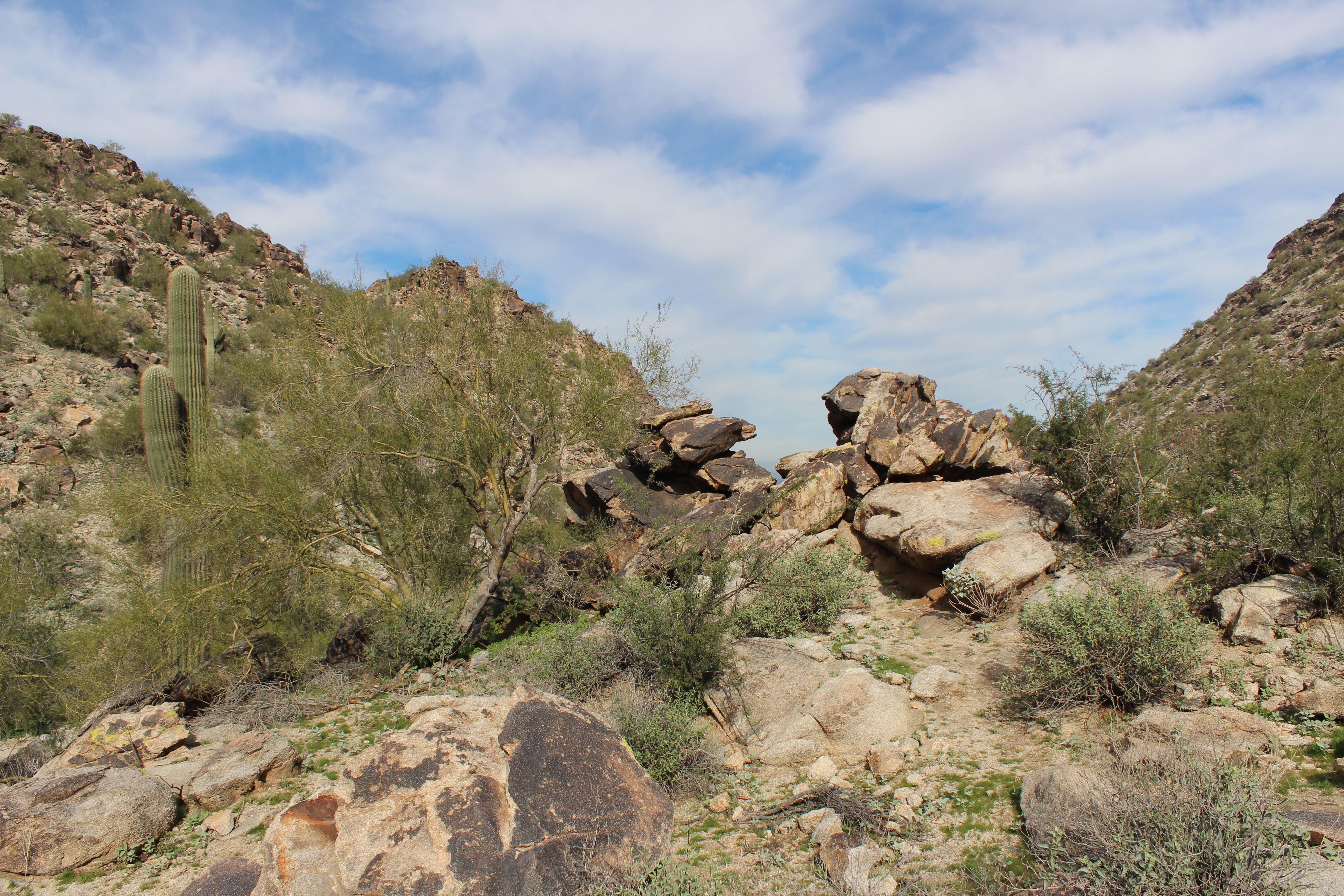
Maybe a year later I took a trail that was new to me, that a hiking website has designated as “easy” (warning—an “easy” label does not mean that a fairly new hiker will find it easy). It was the most challenging trail I’d ever been on. Lots of up and down, lots of very rocky sections. I approached a section that I knew intersected with a much easier trail that I was familiar with, but the easy trail was a good thirty feet below, and the three possible ways down the ridge were all very steep. I had seen other hikers pass me and drop of out sight, but I had no idea which way they had gone. When I looked down one path, I saw a woman hanging by her hands. I walked away because I didn’t want to make her nervous.
I walked from one path to another, and couldn’t figure out how to traverse them. While I was trying to decide, other hikers came up those paths, but I was too far from them to see how they did it. I considered turning back, but it had taken me one and a half hours to get to where I was; I know the easy path was only half an hour from the trailhead. I had to go forward. After a good twenty minutes of considering my options, I picked the least harrowing path of the three. I sat on the edge, dangled my legs, and carefully skootched myself off, about a six-foot drop. I didn’t kill myself! That was my scariest hiking experience, but it energized me to get past it all by myself.
What am I trying to say? That being by myself in the wilderness helps center me. I’m awed by my surroundings. I’m gratified that I can be resourceful when I have to be. I feel closer to God, closer to the earth, unhurried, undistracted.
 Allison Boley
 Carol Boley
 dgood648
 Joy
Joy Andrea R Huelsenbeck
 Betty Mason Arthurs
 Linda Carlblom
 Peggy Levesque
 tuesdayschildren100
 Judy Robertson
