
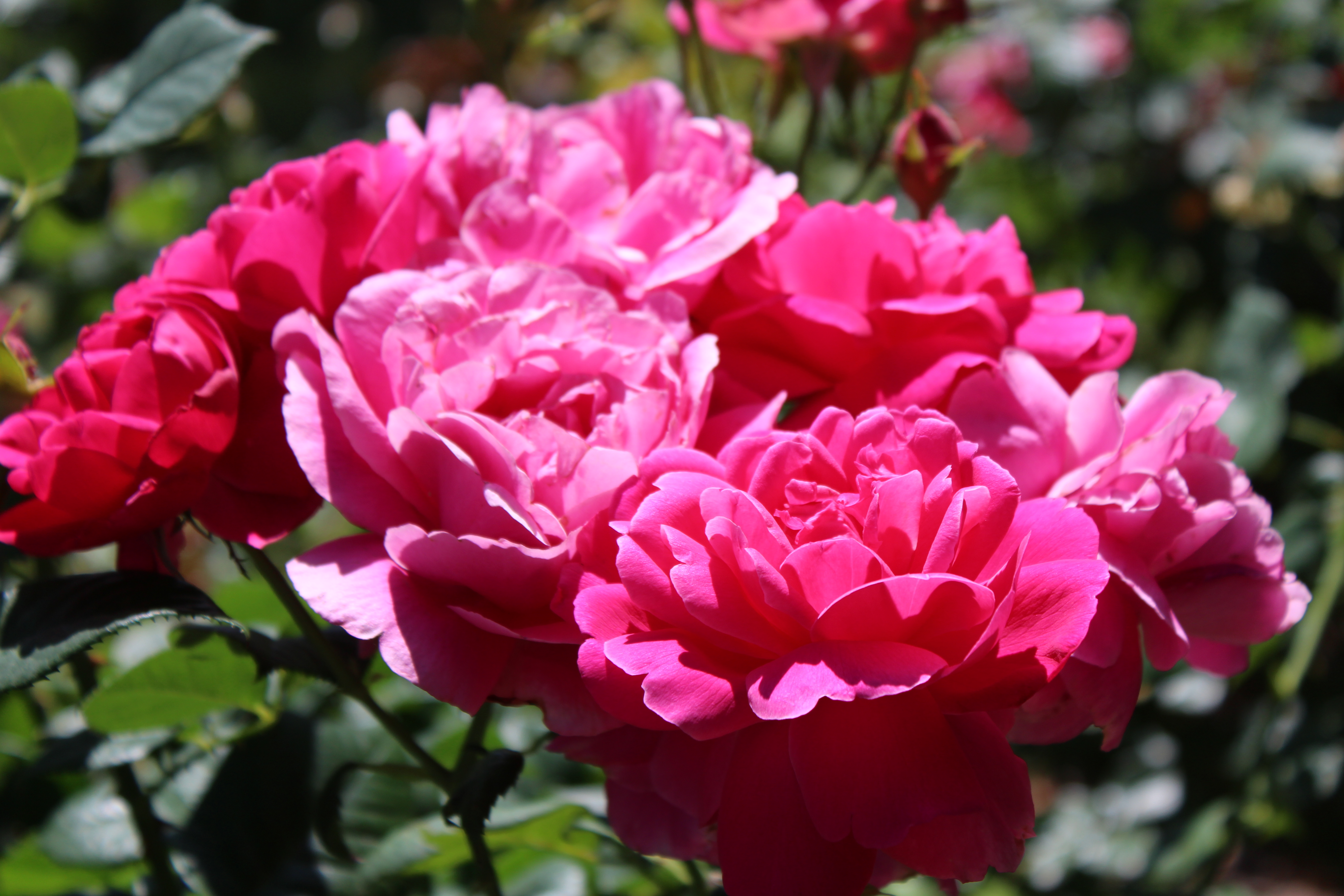
More FOTD
I just found out (a week too late!) that there is a World Photography Day, and it’s August 19 every year. People are encouraged to post a picture to share their world with the world.
Since I’m already too late to officially participate (and I’m really bummed about it!), I thought I’d just share a bunch of my favorite photographs with my favorite readers of Doing Life Together.

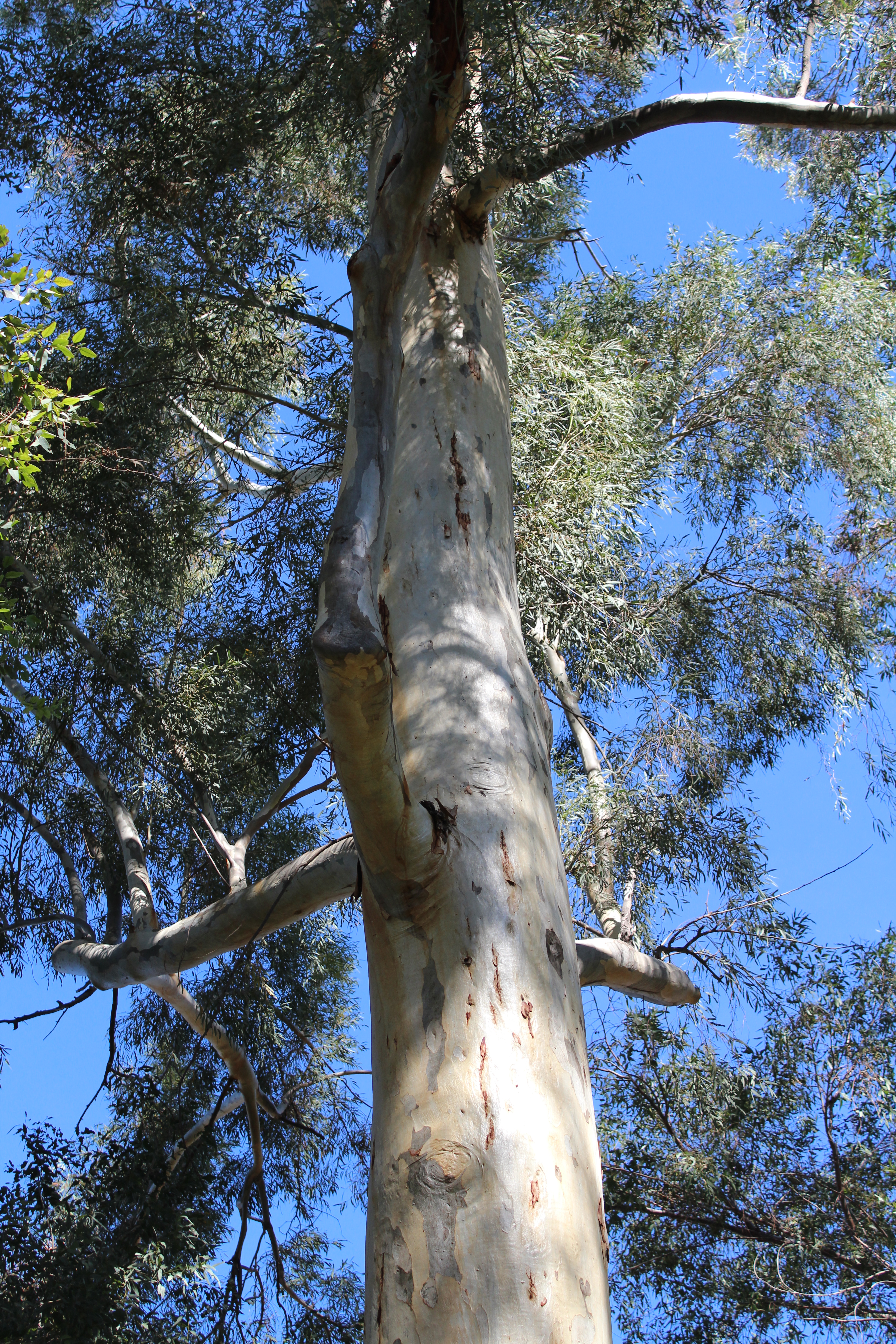
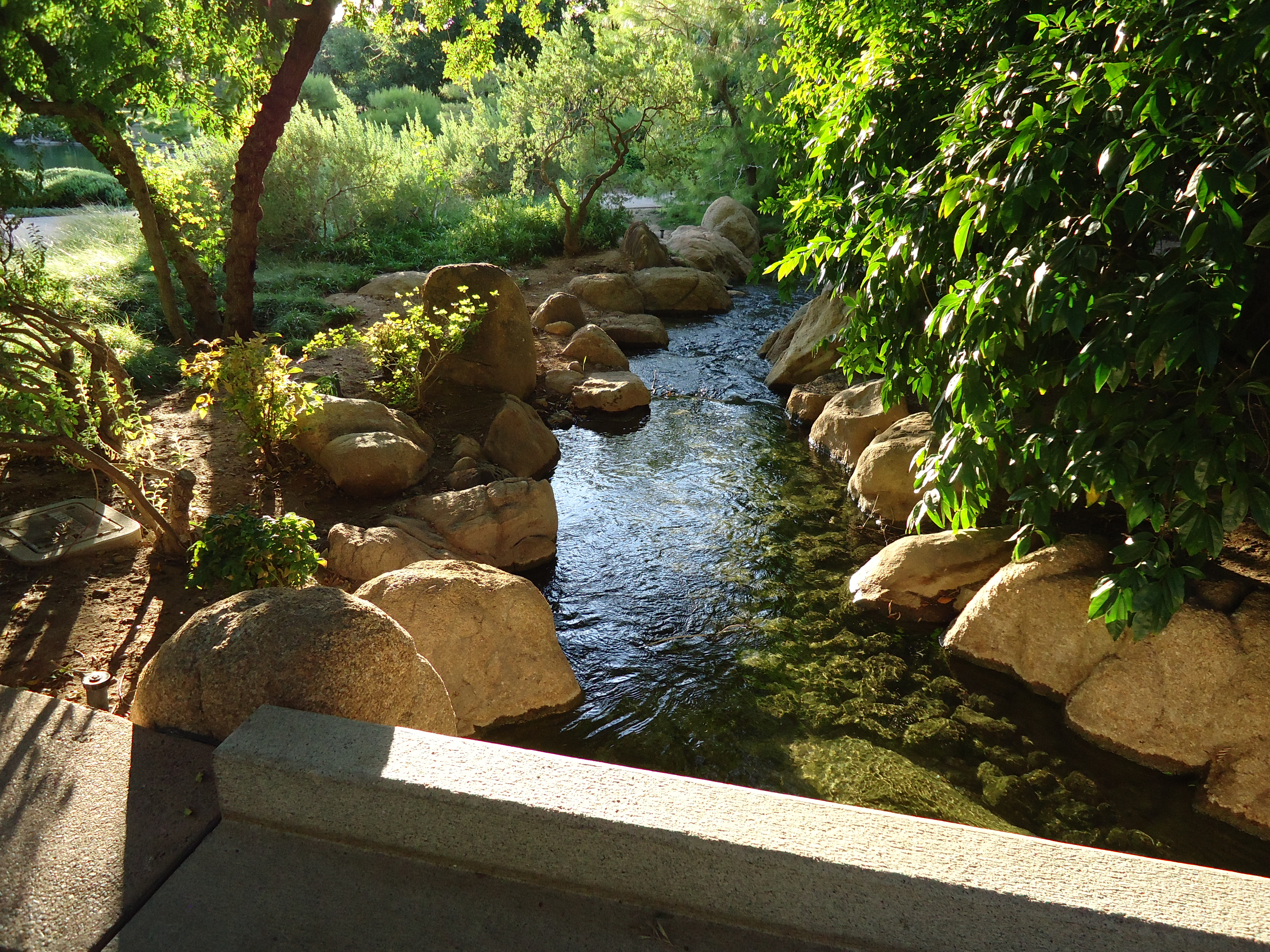
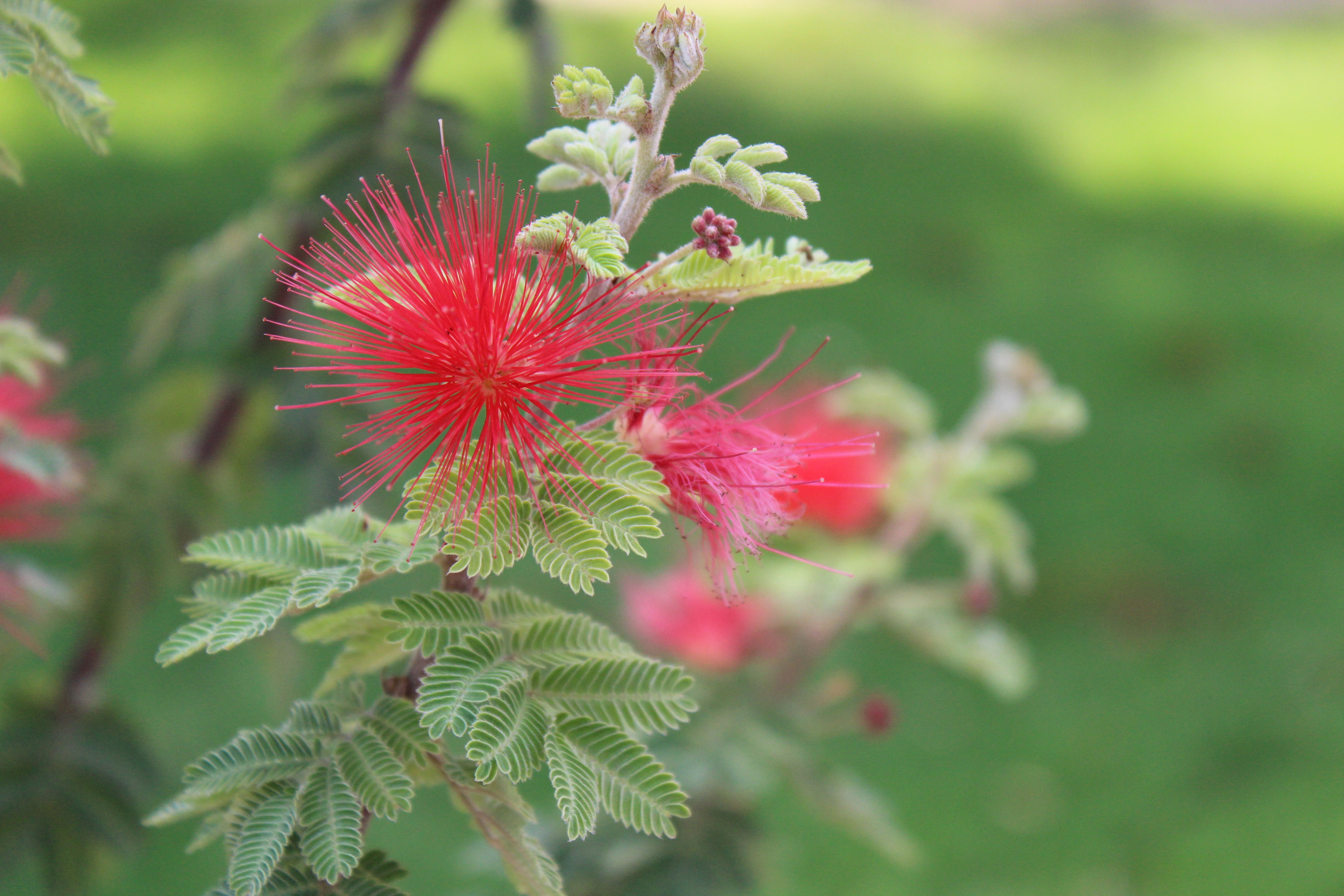
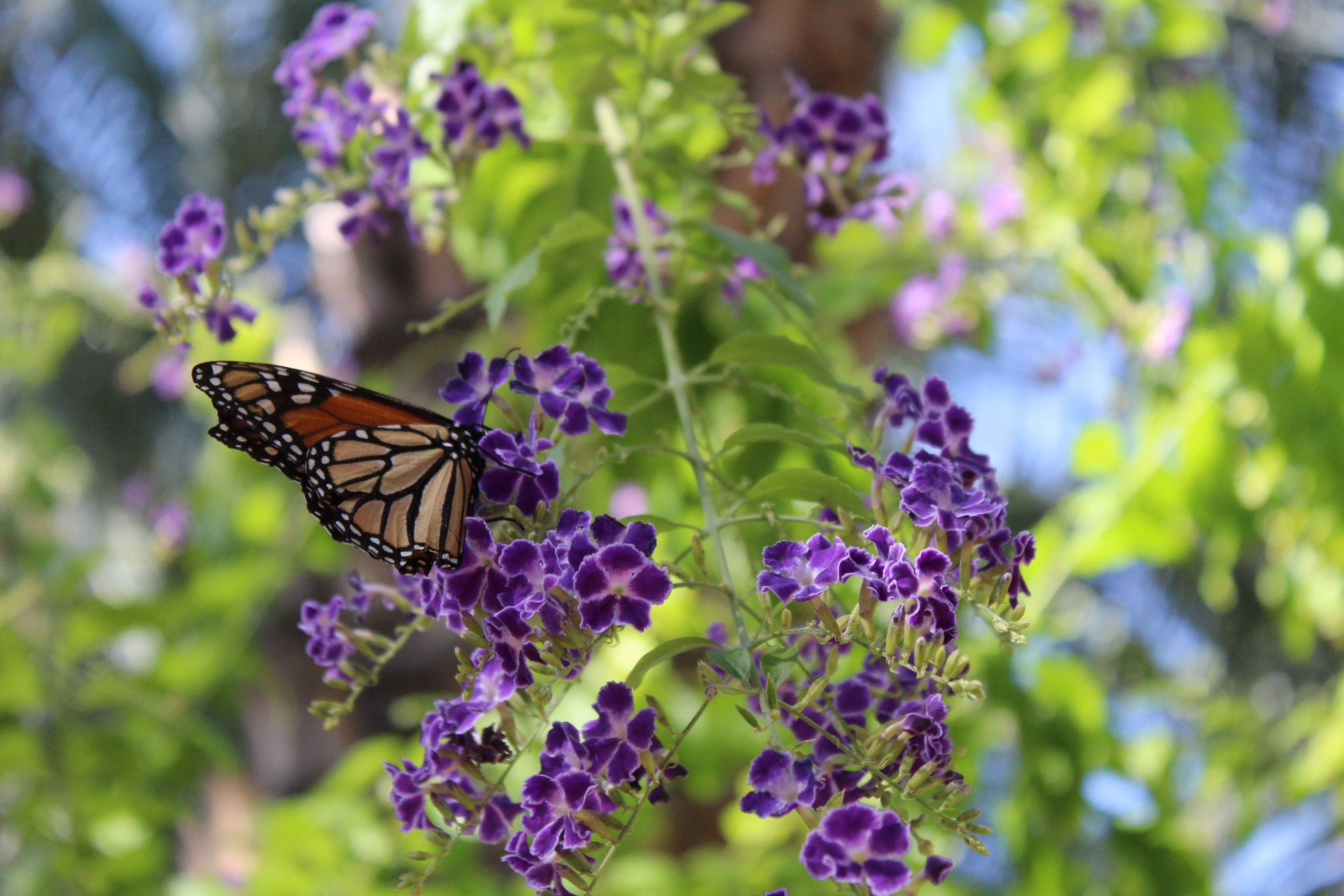
These photos represent moments when I was out and about seeking beauty, and found it. Beauty and joy present themselves when we open our eyes to see. It’s like discovering a love letter from God.
Have a beautiful, joyful, blessed day.
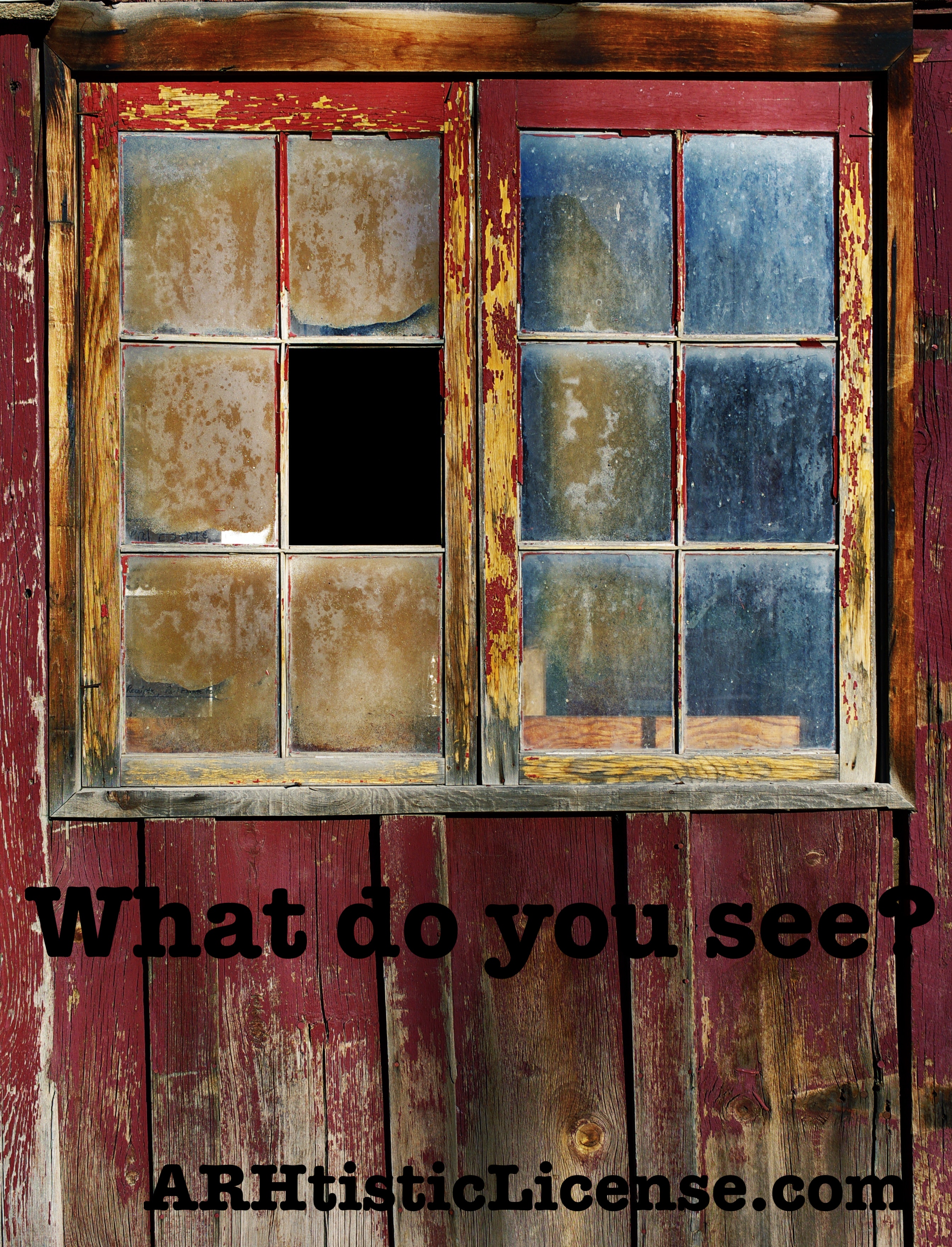
I see gorgeous old wood peeking out from behind peeling paint; what should be transparent, isn’t; the missing pane of glass is a portal into darkness.
Now it’s your turn. What do you see? Share in the comments below.

I am reading Tribe of Mentors: Short Life Advice from the Best in the World by Tim Ferriss. He submitted a group of eleven questions to more than 100 people whom he admired for their brilliance, questions whose answers he believed would help move him forward to being a better person. As I read the compelling replies, it occurs to me that I also have answers to some (but not all) of these questions that might be helpful to someone.
If you’re interested, here is the complete list of questions.
And here are my answers to three of them:
What are one to three books that have greatly influenced your life?
Two books I’ve read in the last couple of years have given me a clue to what “white privilege” is. I didn’t think I had it; don’t you have to be rich to have privilege? I’ve struggled financially for most of my life.
But when I read the nonfiction book Hidden Figures by Margot Lee Shetterly, I realized how much I take for granted, and how many obstacles to success people of color face. It opened my eyes and broke my heart.
I read Angie Thomas’ YA novel, The Hate U Give, to find out what all the fuss was about. I was prepared not to like it. But again, it opened my eyes.
All white people should read these books or some of the many other good books about the Black experience in the United States. These two books, and an article in my denomination’s magazine, changed my life. I still have much to learn, but I am humbled by trials of my Black brothers and sisters. We must fight racism.
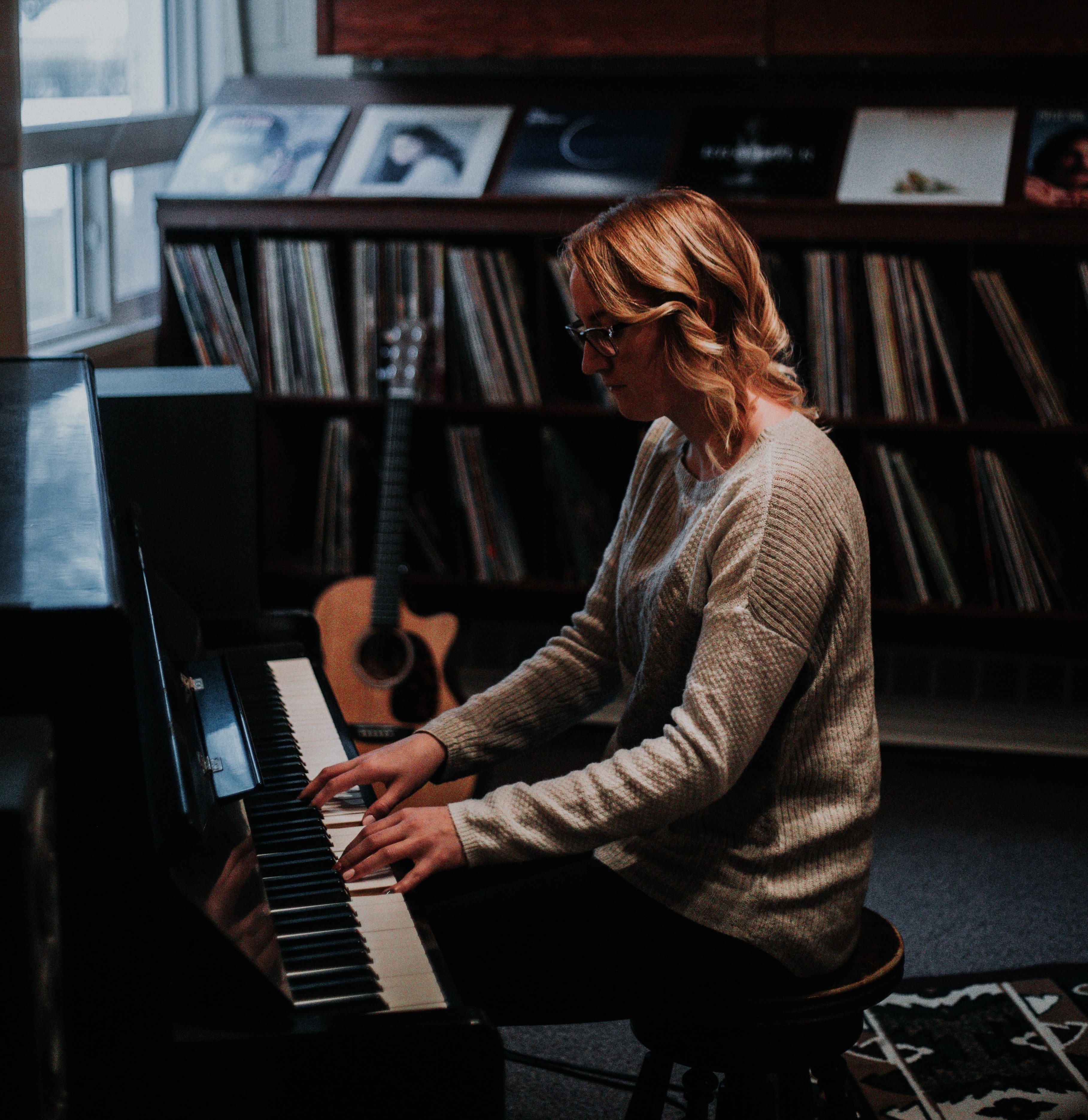
How has a failure, or apparent failure, set you up for later success? Do you have a “favorite failure” of yours?
I graduated from college in 1974 with a degree in music education. I taught elementary general music in Perth Amboy, New Jersey, for four years while I completed my Masters in music education. It was a hard job, and I left it to start a family and raise our five children.
Starting in 2000, I eased back into the work force as a part-time procurement clerk for the Bureau of Land Management. When that ceased to be fun, I worked on my novel and took on a string of part- and full-time, low-paying jobs, until I decided to go back to teaching after 27 years out of the classroom. I picked up a balance-of-term substitute job teaching elementary general music. It was a tough school, with some behavior problems; but I hoped I would land a permanent position. At the end of the year, a different teacher was awarded the contract for my job.
I knew the new teacher, and she was awesome. I couldn’t fault the vice principal for hiring her, but I felt like a failure. Then she said, “I hear the Chandler district is hiring music teachers. Why don’t you apply there?” So I did.
My interview at the school in Chandler was one of the most positive meetings of my life. The principal, dean, another music teacher, and I chatted about my experience and music education philosophy and what the climate was like at the school. No one posed awkward questions to put me on the spot; we were just four colleagues talking about working with kids. Afterward, I called my husband from the parking lot and told him this was the school where I wanted to work.
I got the job and I thrived there. The kids were great, the staff was friendly, creative, and collaborative, and the principal advocated for his students and teachers. It was a great place to work for the next five years; then it wasn’t. I stayed an additional three years and then retired. But I would never have had this idyllic experience if I had succeeded in keeping the previous teaching job.

What advice would you give to a smart, driven college student about to enter the “real world”?
This is a poem I wrote a few years ago entitled “Commencement” that says it all:
Welcome to the next stage of your life.
No matter what you’ve planned,
be prepared to go with the flow.
Not everything will go the way you hoped.
Stuff happens.
Practice resiliency.
Sometimes your best experiences will be the ones you didn’t choose
but were thrust upon you by circumstances beyond your control.
Hang on and enjoy the ride.
Now it’s your turn. Answer one or more of these questions, or any from the original list. Cut and paste your reply in the comments below. Or post it on your own blog, and share a link in the comments.
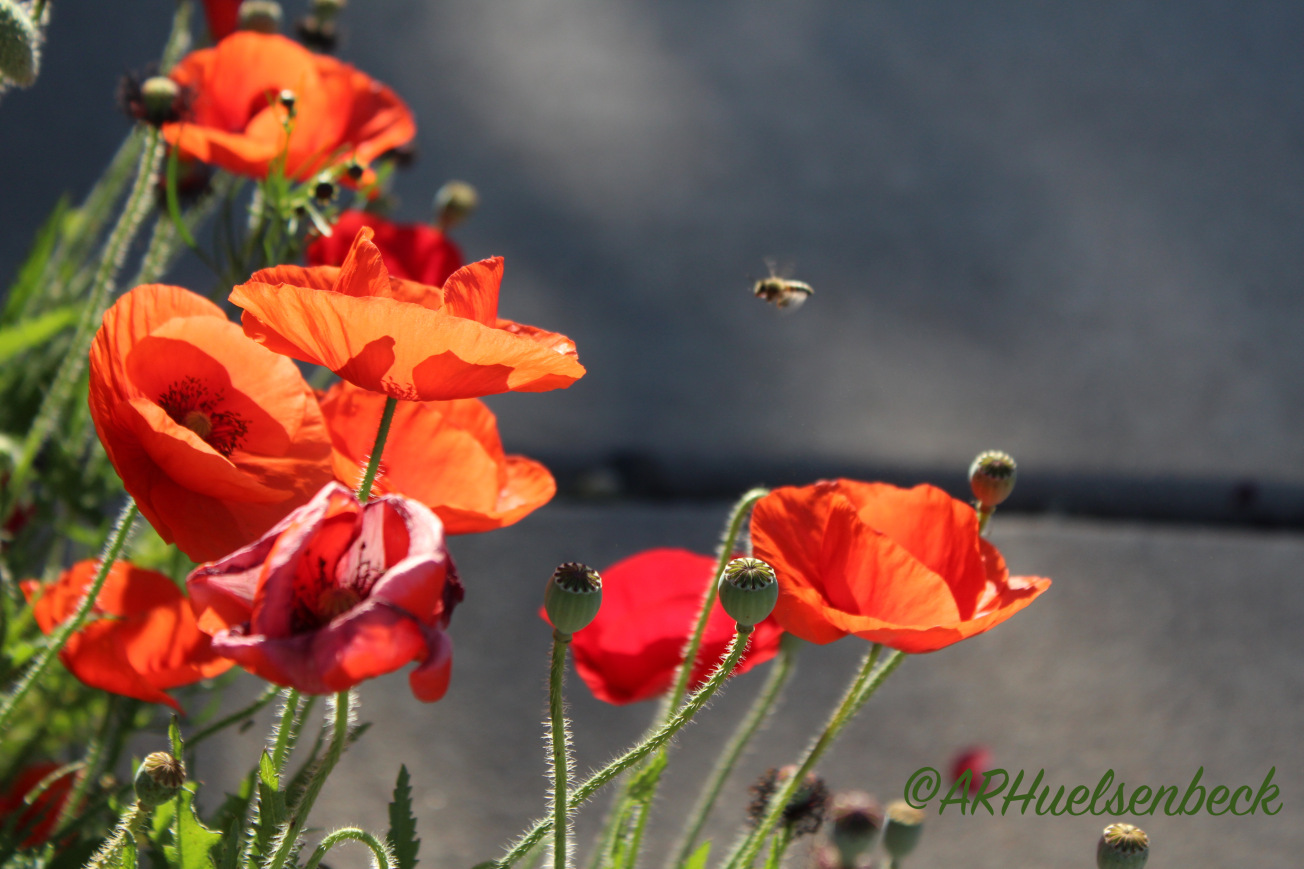
More FOTD.
This article was originally published on ARHtistic License in May, 2020.
I’ve now experienced everything.
Last week I was bullied by a bird.
I was minding my own business, walking Ralph, when a bird started trash-talking me. I tried whistling at her, but that just made her hopping mad. I continued on my way—and she dive-bombed me!
From the marking on her wings, I guessed she must be a mockingbird. (Thank you, Hunger Games movies, for giving me that bird-identification frame of reference.) I know birds can get aggressively protective of their nests when they have little ones, but there are lots of trees in my neighborhood, and I have no idea which one she calls home.
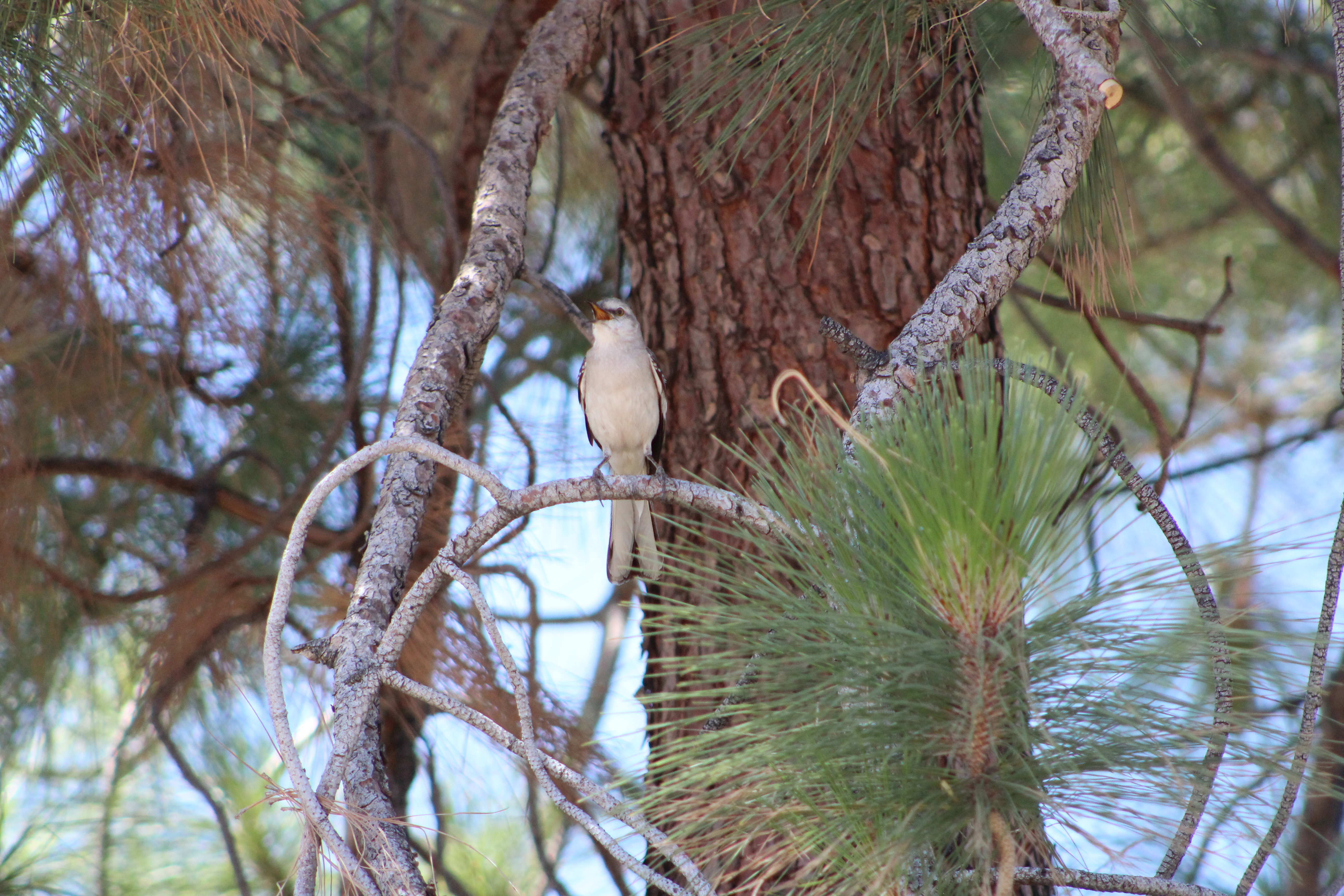
On the way back from our walk, we navigated the entire cul-de-sac. Bad idea. Mrs. Bird snuck behind me and whomped me on the back. (All right, she weighs two ounces, but I felt that!)
Every day for an entire week, that birdie terrorized me. I tried talking tough to her (“Don’t you dare bother me!”), I shook my keys at her, I wore a floppy hat. Nothing stopped her from swooping at me from behind.
There were two mornings when my plans included doing yardwork. I couldn’t—I was too afraid.
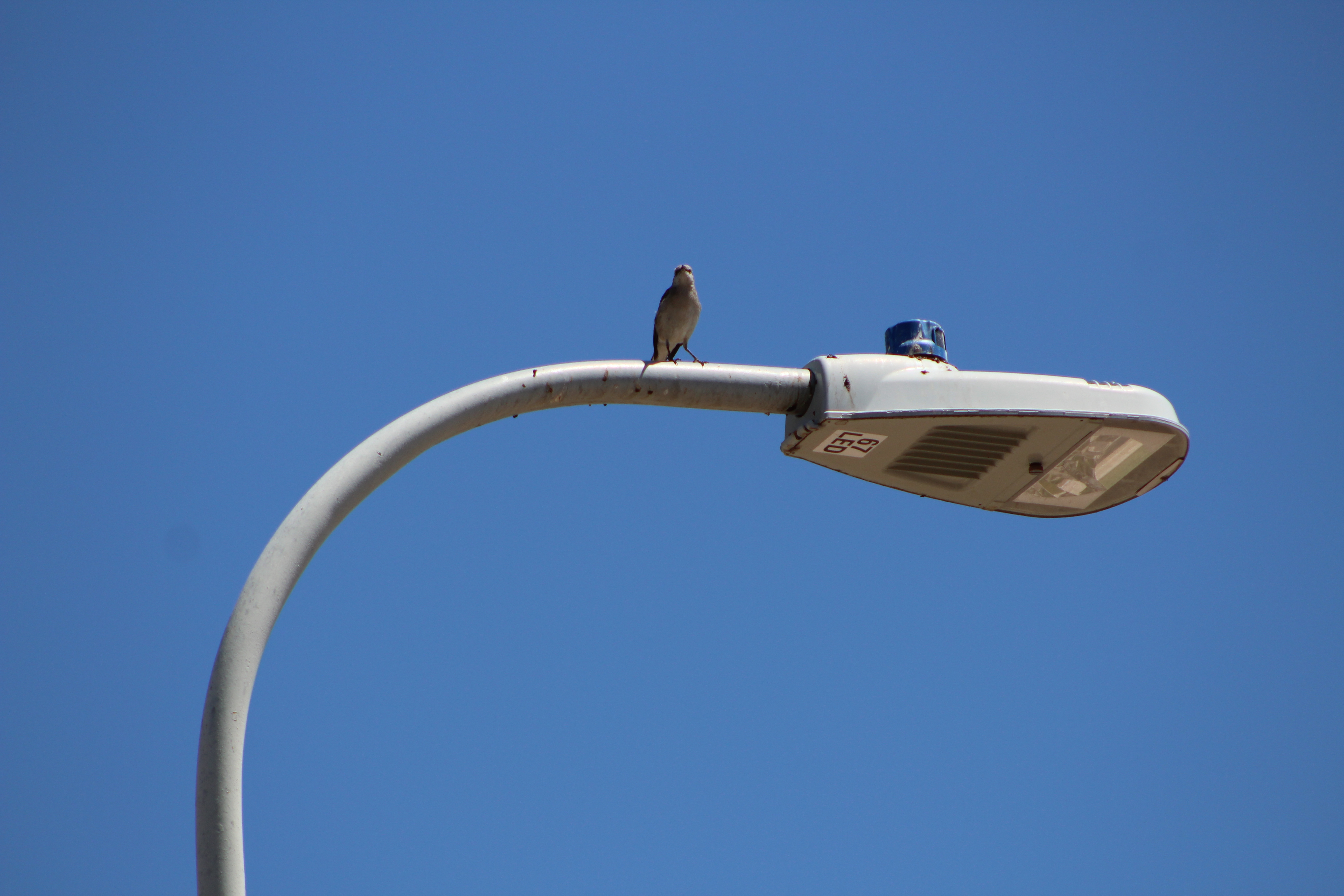
I haven’t seen her this week. Maybe her eggs hatched and she’s busy feeding her babies? Maybe her babies died because she spent so much time chasing me that the babies starved? I don’t know what changed. It’s a mystery of life.

 Allison Boley
 Carol Boley
 dgood648
 Joy
Joy Andrea R Huelsenbeck
 Betty Mason Arthurs
 Linda Carlblom
 Peggy Levesque
 tuesdayschildren100
 Judy Robertson
 Doing Life Together