Until Death Do Us Part…by Linda Carlblom

We filed into the quiet church, some of us hand-in-hand. One by one we came and sat with the rest of our group. We were overjoyed to see each other, all smiles, hugs, and leg pats, even though we’d seen each other just days before. As one, then another, and another joined our ranks, emotion rose from deep within me and tears sprang to my eyes. We were together, not for a happy occasion or to critique each other’s writing, but to support one of our dear writing sisters at her husband’s memorial service.

Tuesday's Children, Dec 2015

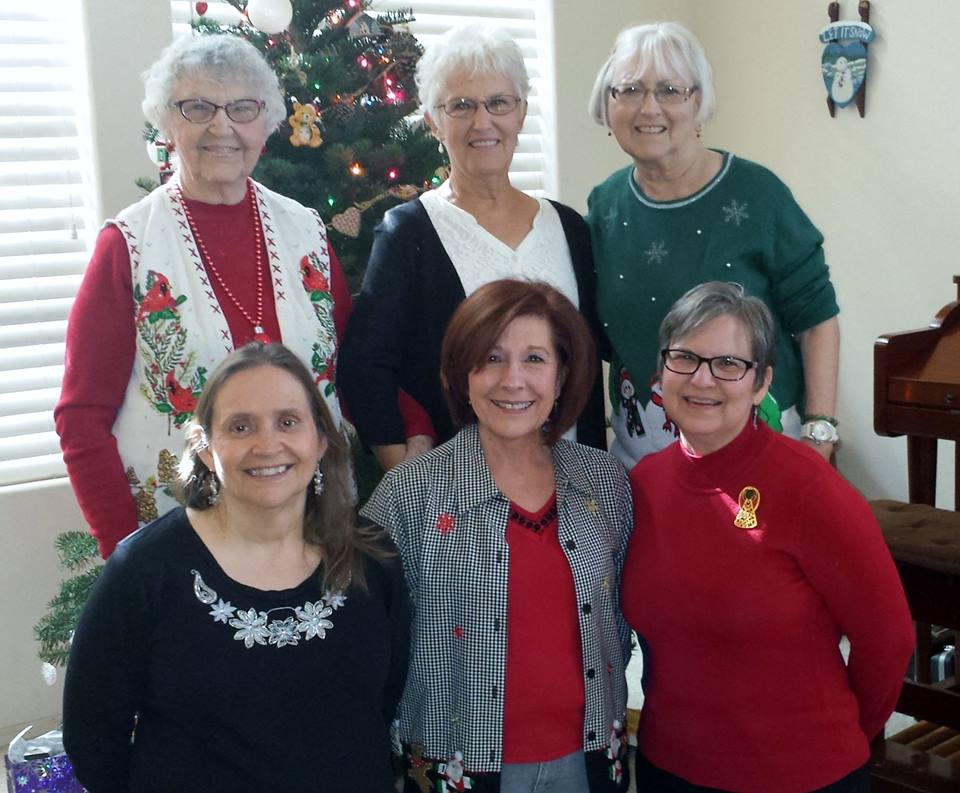
Most of our group at Christmas, 2014. Back row: Donna, Judy, Betty. Front row: Andrea, Peggy, and Linda

I was struck by how the very presence of these beloved friends was comfort in itself. There was no doubt I could get through anything, anything with these women by my side. And long before we came together that day, we’d been together in heart, lifting our sweet, grieving Donna up in our prayers. We’d visited her at the hospital as she sat by her husband’s bedside, left love offerings at her doorstep, signed cards, sprayed her weeds, and gathered collective gifts to try to express our deep love for her. We tried to show her how much she means to us and that she’s not alone in her grief.

Sometimes, words aren’t enough even for those of us who consider ourselves wordsmiths. So we came. We hugged. We sat. We called. We prayed. We cried. We hoped. Ultimately we thanked God for a life well lived and a devoted marriage that lasted 54 years. And now we help our friend learn to live as a widow. Some in our ranks already started this journey years ago when their husbands died. I simply marvel at their strength and hope I’ll do as well when it’s my turn to grieve.

I have no doubt Donna will be just fine. Her faith is strong, her family near. But her girlfriends from her writers critique group who are “doing life together” with her are here, too. Doing life together. Doing death together. And doing everything in between together. It’s a sweet life and I’m so thankful and blessed to have such a close circle of friends to do life with until death do us part.

How have you supported friends through grief? How have you been supported in times of grief?

Posted in Friendship, Grief, Life, Life Transitions, Uncategorized, Widowhood | Tagged , , , | 2 Comments

Easter and Last Suppers by Betty Mason Arthurs

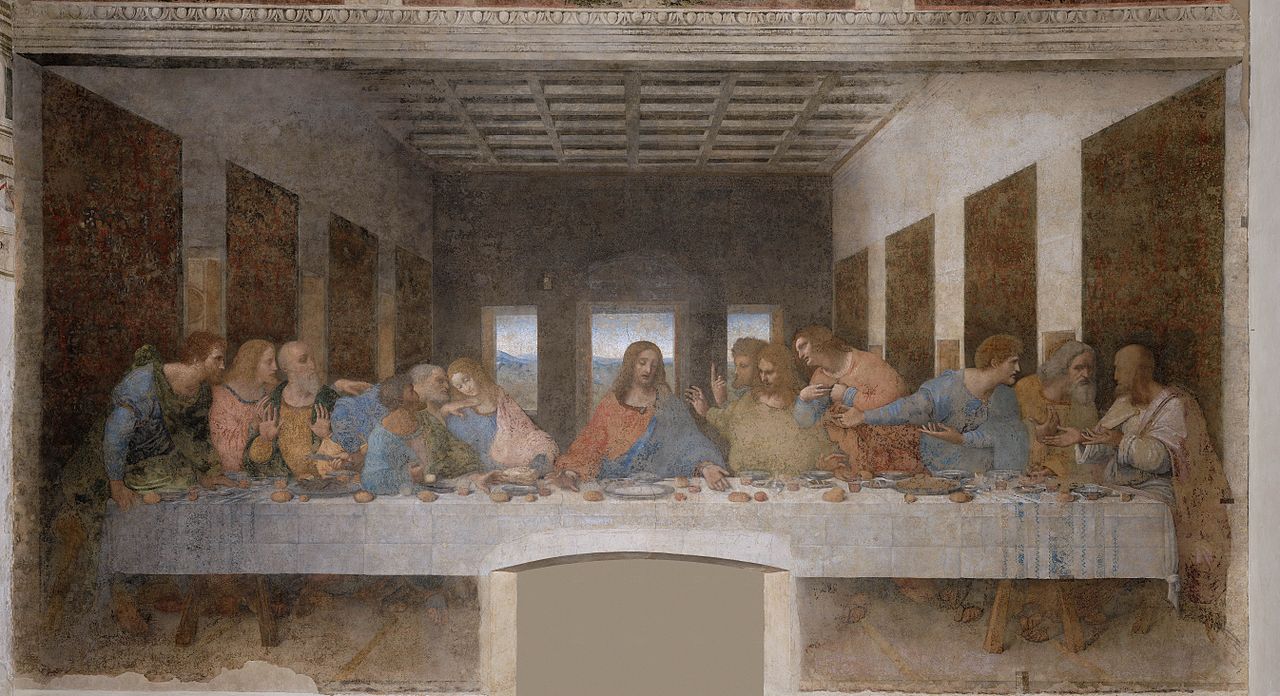
Last Supper


Easter season is upon us and it’s a time when we Christians celebrate the time Jesus rose from the dead. Throughout the year we also have communion to remember the last supper Jesus had with his twelve disciples before he was betrayed and died on the cross. Before he died he wanted to have a last meal with his closest friends, the twelve disciples.

The scripture tells us that on the night Jesus was betrayed he took bread “broke it and said, ‘Take, eat; this is My body which is broken for you; do this in remembrance of Me.’ In the same manner He also took the cup after supper, saying, ‘This is the new covenant in My blood. This do, as often as you drink it, in remembrance of me.’”
(1 Corinthians 11:24-5 NKJV) Today in my church for communion we use cracker bread and tiny cups of grape juice.

Leonardo da Vinci captured in his magnificent painting called, “The Last Supper,” the moment Jesus told the men, “one of you will betray me.” The shock, the grief…the different expressions on the faces of the disciples told the story of each man as they reacted to horrific words from their friend and Savior.

On a trip ten years ago my husband and I visited the convent of Santa Maria delle Grazie in Milan, northern Italy where da’Vinci painted in the 1490s, The Last Supper. Painted on a wall in the refectory, somehow the huge mural survived the bombings during the wars and men who deliberately damaged Leonardo’s work when the room in 1796 was used by the French for an armory. Over time the painting succumbed to mold and flaking. In later years, careful work has restored much of its original beauty.

When we were ushered into the climate controlled room, awe overwhelmed me. Here was I, a little homemaker from Arizona, looking up at one of the most famous paintings of the world and I could see, thanks to a designer’s touch, the love on the face of Jesus and the shock on the face of each disciple. Tears filled my eyes as we were ushered out of the room. Many visitors awaited their chance to see da Vinci’s ancient masterpiece.

I remember, even as a child, my pastor Dad serving communion and quoting from scripture Jesus’ words. And I think about the “last supper” I had with my dad before he passed away in 1994. We had been to his surgeon’s office where plans were made to remove an abdominal tumor. All seemed well and we were assured that it was a simple surgery and things looked good. When he drove the car to the nearest Dairy Queen in Cottonwood, Arizona, my dad laughed and said, “Let’s have a root beer float.” All my childhood this was my dad’s favorite activity, surprise his kids with an ice cream goodie.
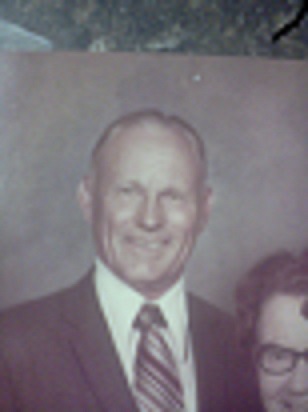
Yes, it was our last ice cream together since dad suffered a heart attack after his surgery and was gone in a week. Right now in my heart there’s no grief only a warm memory of all the years of a faith-filled dad and his love for my mother, my brothers and me…and root beer floats. (My dad’s photo is below.)

I pray that you also have sweet memories that shine through your tears of grief in the loss of a loved one or beloved friend. Treasure those family dinners, the crazy office parties, and church potlucks. In spite of all the “not so good times,” the people you know are giving you memories to share long after they, or you, are gone. Easter is a good time to remember.


Dad Mason

Posted in Celebrations, Christian Living, Faith, Family Life, Grief, Jesus, Travel, Uncategorized | Tagged , , , , | 4 Comments

The Prayer Bench…Judy Robertson

bench

A few hundred yards from the patio of my new apartment stands a bench. I’d seen a variety of people sitting there facing the lake with its ducks and heron and a couple of turtles. Many people would sit with heads bowed or face in hands with elbows propped on their knees. I had pegged this particular bench as a place where people go when they’re troubled—perhaps to talk with God.

One early morning an Asian woman stood in front of the bench raising her hands high up to the skies—I couldn’t help but think she was praising God.

From that point on I called it “The Prayer Bench.” In addition, this past Sunday I had been praying again, for God’s direction. Truthfully, I’ve been church hopping. The move to my new apartment has given me lots of new areas to explore. Ever since my husband of 53 years passed away a year and a half ago I’ve not yet found my spot with the believers whom God wants me to plant myself. Perhaps I won’t find that place until I reach my eternal home.

But this Sunday felt different. Maybe I could invite some people into my home for Bible study or to church somewhere with me. I dressed for church and grabbed a leash to let my little dog, Smokey, out for a potty-break before I left. As he wandered about, he pulled toward the prayer bench—it was time to go back to the house. But Smokey had different ideas. He planted his feet with head pointed and tail wagging toward a young man standing near the prayer bench. I finally gave in and walked toward the young man. He had headphones on but took them off when I walked up. He looked to be in his early twenties. I greeted him and we began talking. I thought perhaps this was the person God was leading me to invite to church this morning. As we talked, I asked him if he goes to church. His face brightened and he said, “I sure do. It’s just right across the street. Would you like to go with me?” That took me by surprise. I queried him about what kind of church it was, and satisfied it was really a Christian church, I said, “Well why not?” I told him I had to take my dog home and he said he’d wait right there.

And so, I walked with my new friend, I’ll call Ren, to church. He was so very kind. He poured coffee for me and introduced me to a couple of women. “Ren, you don’t have to sit with me. Why don’t you go ahead and sit with your friends? I’ll be fine,” I told him. But Ren insisted he wanted to sit with me.

Thus, I made a new friend, a strong Christian whose dad is not a believer. I told him I had a son who was not a believer and he put his name in his phone to pray for him. I told him I’d pray for his dad as well. What joy to meet a young man about the age of my grandsons who loved Jesus and who was willing to invite and walk a “gramma” to church.

God answered my prayer right by the prayer bench.

Is there someone you could invite to church with you Sunday? There may be someone just waiting for an invitation.Woman silhouetted in sunset

Posted in Faith, Friendship, Life Transitions, Widowhood | Tagged , , , , , , | 14 Comments

Dancing with Jesus . . . by Andrea R Huelsenbeck

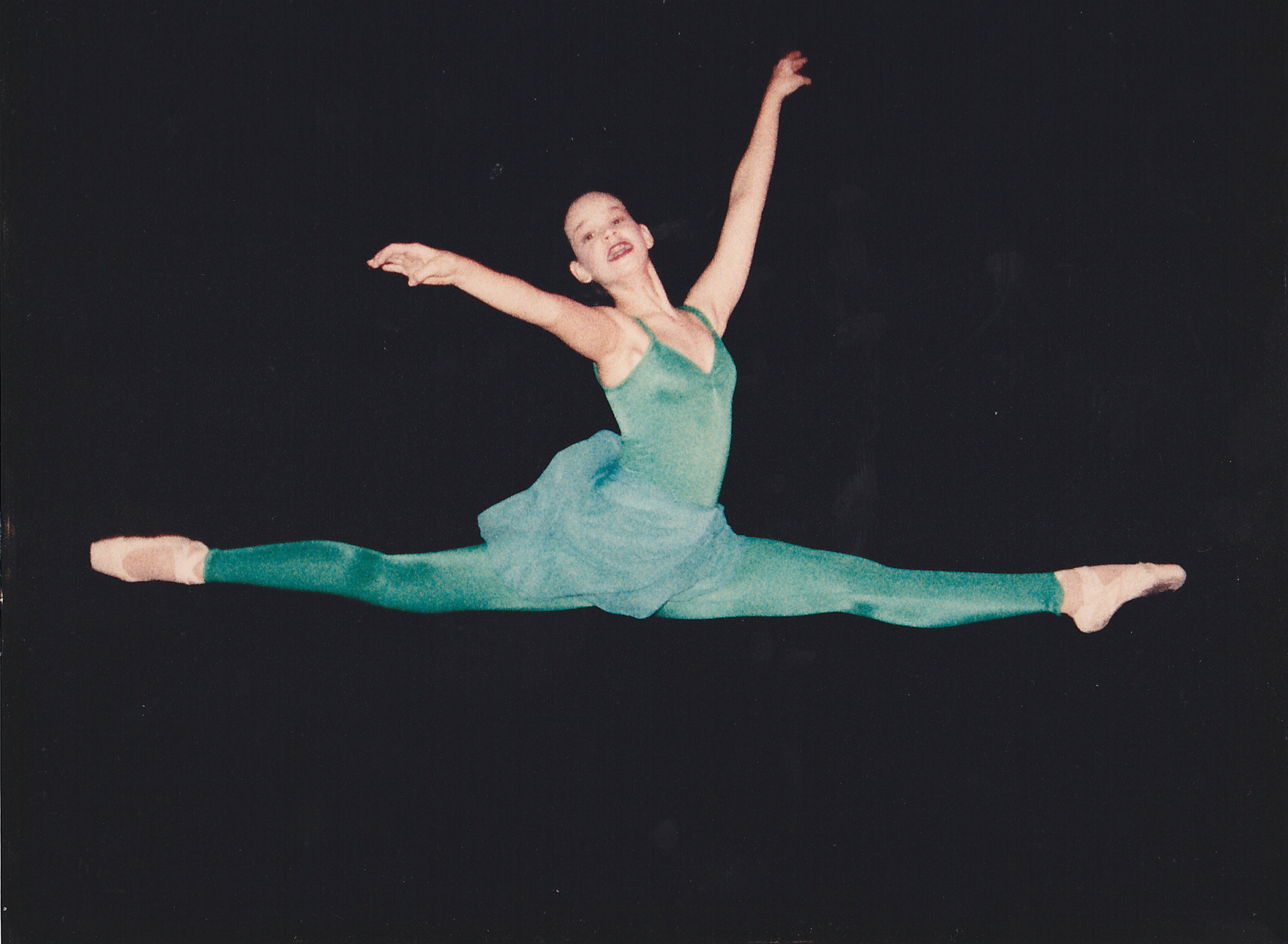
Bonnie Split-Jette

Bonnie Marie Codier

My mother passed away in 2004. She suffered from many ailments, including rheumatoid arthritis, virtual blindness, and hypertension. She was in constant pain. Her last 15 years were marked by slow degeneration, as she gradually became less mobile and more confused. A massive stroke eventually ended her life. The only thing that got me through that horrible time was a mental image of my mother dancing with Jesus, no longer suffering and without any physical limitations.

At the time, I didn’t know this particular vision is common among mourners. A guest at my mother’s viewing and another at her funeral mentioned it. “Your mother is dancing with Jesus now.” And a few weeks later a friend told me she pictured her mother dancing with Jesus shortly after her death.

I was reminded of it again recently when I attended a Celebration of Life for a young woman who was taken by mitochondrial disease. Bonnie had been a promising ballerina when her condition dashed her dream. Several of the friends and family members who shared stories about Bonnie commented, “She’s dancing with Jesus now.”

I think the universality of this image is due to the hope followers of Christ have—that after this life on earth, we will spend eternity in the presence of our Savior.

Ten years ago, I subscribed to O, the Oprah Magazine, for twelve issues. I loved the monthly column that featured what books some celebrity felt were noteworthy. But one issue that I became obsessed with contained an article about Oprah Winfrey’s Legends Ball.

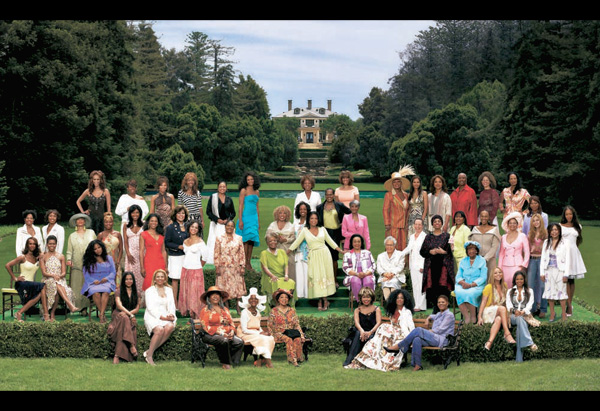
oprah-party-theme-1-600x411In 2005, Oprah threw a celebration honoring twenty-five extraordinary women of color who made ground-breaking contributions to American culture and society. Some of the honorees were Rosa Parks, Maya Angelou, Diahann Carroll, Ruby Dee, Aretha Franklin, Lena Horne, Coretta Scott King, Leontyne Price, Diana Ross, and Cicely Tyson.

Also invited were “the young’uns,” young black women who were metaphorically standing on the shoulders of these giants, including Alicia Keys, Halle Berry, Naomi Campbell, Mariah Carey, Janet Jackson, Phylicia Rashad, Debbie Allen, and Alfre Woodard.

The party was held on the grounds of Oprah’s beautiful Montecito estate. The article included photographs of the attendees and the tables, set with gorgeous china, crystal, silver, and flowers, in Oprah’s exquisite garden. I reread the article and perused the pictures hundreds of times, longing to be part of the festivities, in the company of these amazing women. But my heart ached–I knew that if I lived to be 100, I would never qualify to be invited to a party like that, because I am not black.

Then Jesus whispered to me, “You’re invited to my party.”

Revelation 19:9 says: “And the angel said to me, ‘Write this: Blessed are those who are invited to the wedding feast of the Lamb.’ And he added, ‘These are true words that come from God.’” (NLT) Christians believe this refers to a celebration in heaven. It will be way better than Oprah’s party, because God is infinitely better than Oprah. The extraordinary attendees will be all the saints of the church, from the apostles and King David and Mother Theresa to the widow who gave her penny, the janitor who cleaned unto to the Lord, the drunkard who repented on his deathbed, my mother, Bonnie, and me. And we will all take our turns dancing with Jesus.

Posted in Blogging101, Celebrations, Dancing, Faith, Grief, Jesus, Mitochondrial disease, Oprah Winfrey | Tagged , , , , , , , | 2 Comments

Confessions of a Suspense Addict…by Peggy Levesque

Confessions of a Suspense Addict…by Peggy Levesque

I can’t remember a time when I wasn’t an avid reader, beginning with Little Golden Books as an early gradeschooler.

As I grew old enough, I made the mile-long trek to the library with a little neighborhood gang of four or five other kids. During summers, every two weeks we exchanged one stack of books for another. When we didn’t have a game of workup baseball going in the street, or maybe kick-the-can, I spent my time reading beneath the shade elm in our front yard or in my bedroom with the radio playing softly in the background.Nancy Drew

This is how I met Nancy Drew. With Nancy, I went on spine-chilling adventures, searching out clues to solve a variety of mysteries. I felt the tingle across my skin, the lump of fear and excitement in my chest, as we made one eerie discovery after another. And I fell in love—with the suspense of it all.

My sister and I made up our own adventures and acted them out, mostly at our grandparents’ home. Built in the 1920s, their house offered a curved stair banister and lots of nooks and crannies to feed our active imaginations. Then there was the ginormous red furnace—with octopus arms reaching toward the ceiling—in the basement to add the air of danger. I’m sure you won’t be surprised to learn that we always solved the case.

As an adult, I read a wide variety of genres that opened new vistas for me, took me places I would otherwise never get a glimpse of. But never lost my addiction for suspense.

As my faith matured, however, I began to miss the anchor of a wise and caring God in the stories I read. How could anyone get through all those harrowing experiences without knowing that the Jesus I knew stood in their corner? In my world, they couldn’t—not without losing their minds.

ThinkingEventually, I discovered faith-based fiction. And, as I read, a seed of an idea took root and grew. Maybe I could dig deep into the well of that suspense I loved and tell stories where people get into trouble—lots of trouble, and often as a result of their own choices—with Jesus standing right there, ready to offer hope and peace to those who call on him. Well, along with a few doses of His guidance of course.

I remember praying, and asking, “Can I do this, Jesus? Can I really hold out our ultimate hope through story?”

As time went by, the questions evolved into a compelling need, almost as though God, Himself, had planted the new and intimidating dream in my head. I simply had to proceed, but I knew that if I were to succeed, it had to be His dream for me as well. Hanging on to Psalm 37:4— Delight yourself in the Lord, and he will give you the desires of your heart (ESV)—I went to work on doing the impossible.

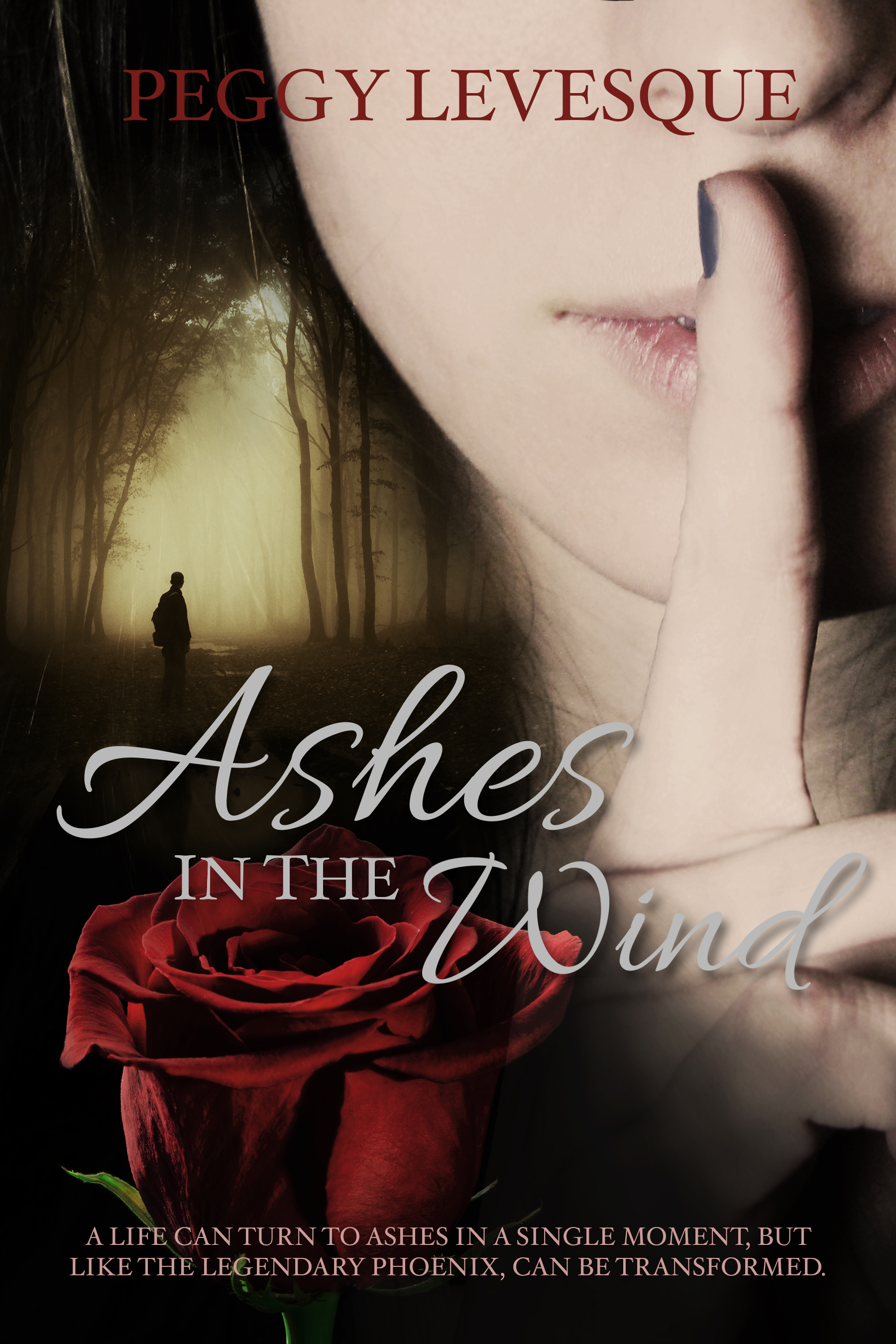
Doing the impossibleIt took years, and many lessons in humility that continue to this day, but at the end, I had the completed manuscript for Ashes in the Wind. Ashes Cover New 1

Now you know how I set out to write the great American—Christian—novel. Do you have a dream that uses the gifts God has given you? Ask God to lead the way and act on it. If He’s in it with you, and you push through all the doubts that will inevitably haunt you, I’m convinced you can accomplish the impossible, too.

Posted in Books, Christian Living, Faith, Motivation, Writing | Tagged , , , , | 7 Comments

I Suffer from Spinners

I suffer from a common yet rarely-diagnosed condition called “spinners.” You may be familiar with the symptoms. You may even suffer from it like I do, yet not even know it is a real THING.

Oh yes, it is real.

Spinners most often occur when the full realization of something you have recently said or written hits you full force, “spinning” you right out of bed or the chair or wherever you currently happen to be.

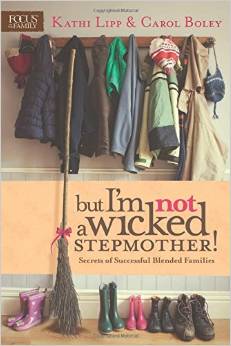
But I'm NOT a Wicked Stepmother coverMy most recent episode occurred yesterday, the day my new book, I’m NOT a Wicked Stepmother released. I experienced a mix of emotions…excitement, fear, regret (“why in the world did I say that?” and “what in the world possessed me to say it that way?” or “I wish I had said this instead”…you get the idea).

So I have spent most of today telling myself  that it’s too late now and the best thing to do is to pray and trust God to take it and do with it what He will. Actually that’s good advice. It’s exactly what I would advise a friend suffering from a severe case of spinners.

Do you ever regret anything you’ve said or done? Ever suffer from spinners…now that you know what it is?

You don’t have to have written a book to experience spinners. A careless word here, a thoughtless word there, an unintentional tone thrown in wherever…you get the picture.

Well, there’s good news for people like us…people who suffer from the malady of spinners. As in all cases, scripture offers a solution. Apparently spinners have been around for a long time, because Peter offers us some encouragement when we find ourselves smack dab in the middle of an outbreak.

And if anyone should know, it would be Peter. Peter, who loved the Lord, yet shot his mouth off several times that we know of (so just imagine how many more times that didn’t get recorded for us!).

Peter took it to the extreme by denying the Lord, and when the full weight of what he had said hit him, (“Woman, I don’t know him,” said at one of the moments Jesus most could have used a friend, Luke 22:57) “he went outside and wept bitterly.” (Luke 22:62).

I think this is why I love Peter so much. In my own way, I’ve done the same thing…said something I bitterly regret, winding up in tears over my lack of courage, my weakness, the pain I have caused.

Yet Jesus took the shame from Peter, forgave him and even restored him to leadership. (John 21:15). Peter is the perfect one to encourage us. What advice can he give when we face yet another excruciating attack of spinners?

“Cast all your anxiety on him, because he cares for you.” (I Peter 5:7).

That’s it, my friends. Cast our care, because we can’t bear it ourselves. Our anxiety will crush us. And why can we cast it on Jesus? Because he loves us, he cares for us, and he is capable of bearing it for us. What a kind Savior he is!

Peter knew it, Peter experienced it, and now I can, too—and so can you. “Cast your anxiety”– it’s  the perfect antidote for spinners.


Posted in Faith, Forgivness, Greatest love ever, Jesus, Love, Overcoming Fear, weakness | Tagged , , | 7 Comments

How to Practice the Piano: The Warm-Up, Part II—Etudes and Scales . . .by Andrea R Huelsenbeck  

084Today’s post is a continuation of a previous one on warming up for your piano practice session. To read an article on how beneficial practicing an instrument is, click here.

Etudes

Etudes are studies that target a particular element of technique. Many composers have written etudes. Chopin wrote 27 that are so beautiful they are concert pieces.

The king of etudes (and the first person to call one of his pieces an etude) is Carl Czerny. He studied with Beethoven and went on to become a successful composer and teacher himself. His School of Velocity has been used for over 150 years by piano students all over the world. As the name suggests, these pieces are designed to help the pianist develop speed. I particularly like the collection called Selected Piano Studies.Czerny

Learn one hand at a time, starting with your more dominant hand. Some measures will be harder than others. Mark those measures and turn them into little exercises, playing them through many times every day. I start by playing them at least ten times, and the last time must be perfect or I keep working. As I improve on those little snippets, I try to play them perfectly three times in a row, then ten times in a row.

When you can play the entire etude well with separate hands, then put the two hands together.

Play it as slowly as you need to play it correctly, then work on increasing your speed. (You can buy an inexpensive metronome or find one online or download a metronome app.) I start by playing at a comfortable speed, finding my number of beats per minute (bpm) by experimenting with different settings on the metronome, writing that number on my music, and gradually increasing the speed anywhere from 1-10 bpm at a time.

You can work your way through the book practicing up to four etudes at a time, playing each one 4-10 times. Again, systematically rotate through them to review the ones you’ve already mastered.

Scales

Thoroughly learning scales will enable you to play pieces in all keys, major and minor. It is helpful, before practicing a piece, to run through its scale first, along with a progression of chords in that scale.

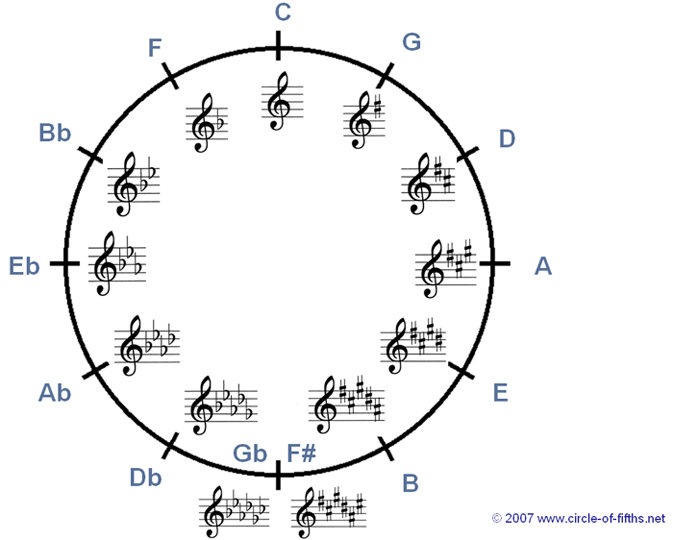
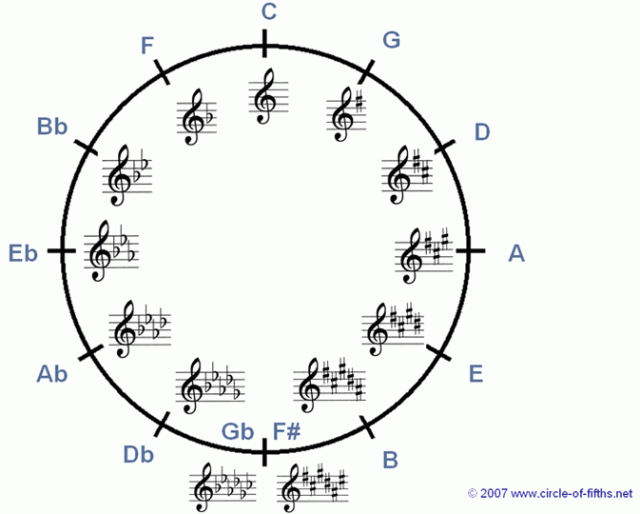
If you are just beginning to learn your scales, start with the key of C. It is the simplest, because it doesn’t have any sharps or flats. Then progress through the Circle of Fifths. circle-of-fifthsTraveling clockwise or counterclockwise through the circle will add one sharp or flat to the pattern. (Don’t make me try to explain why—just know that music, like everything else in the natural world, is governed by physics and mathematics.)
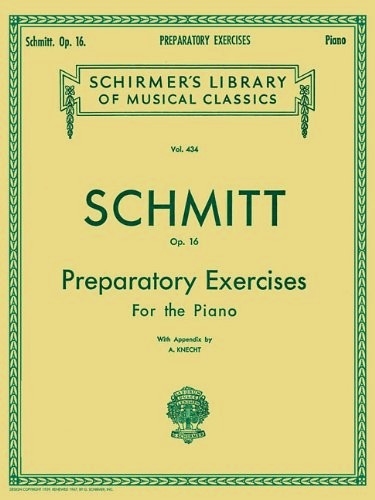
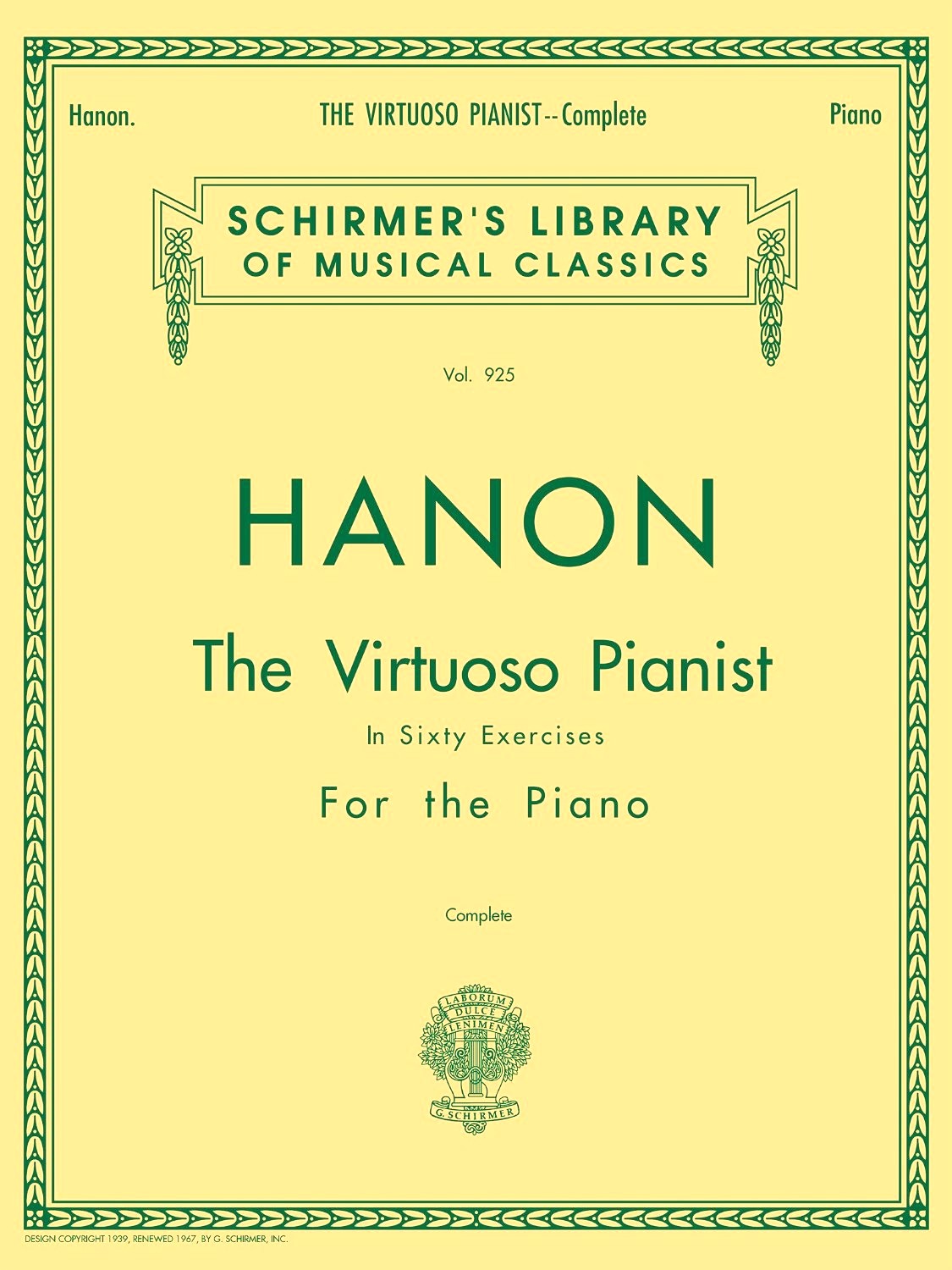
The Hanon and Schmitt exercise books have scales sections. Refer to these so you can see where the black keys fall and also which fingers to use for each note. Fingering is important; these tried and true fingerings will help you play smoothly with ease.

For the sake of being systematic, learn all the major scales first; then progress through the minors. There are two kinds of minor scales that pianists need to know: harmonic and melodic. The harmonic minor scales are what composers use when writing the harmonic scheme of a piece in a minor key; they use the melodic when writing the melody. The melodic minor is different ascending and descending. (Don’t ask me why, that’s just the way it is. Some intervals sound better going up than going down.)

Start by practicing one octave (eight note unit) going up and coming back down again. Learn the scale first in your more dominant hand, then the other hand, then both hands together, an octave apart.

When you can play one-octave scales in each key well, try two octaves, then three (it helps to group your notes in threes), then four (think groups of four sixteenth notes).

Then learn to play them in contrary motion. Starting with both of your thumbs on the same note, let your right hand go up (right) and your left hand go down (left) in the sequence of the key for one octave, two octaves, or three octaves, then reverse direction and move back to the starting note.

Warming up is just the appetizer of your practice session. Spending time on exercises, etudes, and scales will prepare your brain and your muscles for the entree of your practice: making beautiful music out of notes on a page.

This concludes my two-part series on How to Practice Piano: The Warm-Up. In a future post, I’ll write about practicing repertoire, explaining how you can make your practice time most productive.

Did you find this post helpful? Is there something you would add to the practice of etudes and scales? Please post a comment below.

Posted in Music, Piano, Practicing, Practicing musical instruments, Practicing piano | Tagged , , , , | 7 Comments

How to Practice the Piano: The Warm-Up, Part I—Preparatory Exercises . . .by Andrea R Huelsenbeck  

083This post started as a response to Jeff Goin’s 500 Word Challenge. The writing prompt was to explain how to do something, step by step.

Although I am not a piano teacher, I know a lot about practicing the piano. I have been playing piano on and off for 54 years, and I love/hate practicing. Many music students regard it as a necessary evil. However, to learn what scientists say about how daily practice and learning to play an instrument benefits you, watch the video below:

To be a great musician (I confess I am not), practicing is a discipline you must cultivate. It is a way of life. The suggestions I give may be applicable to practicing other instruments as well. (For an excellent treatise on the discipline of practicing the guitar, also applicable to other instruments, read Practicing: A Musician’s Return to Music, by Glenn Kurtz.) better practiceing

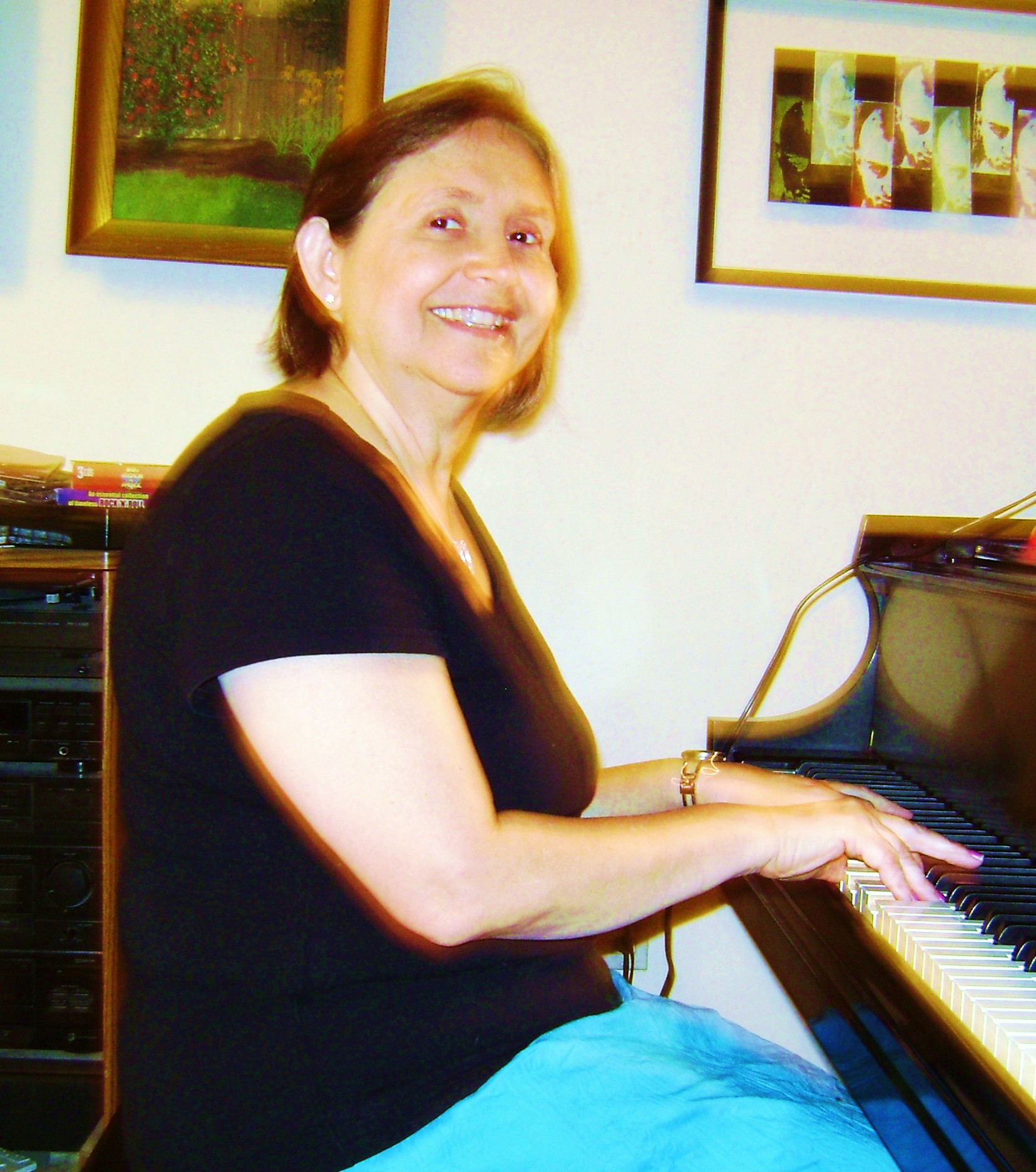
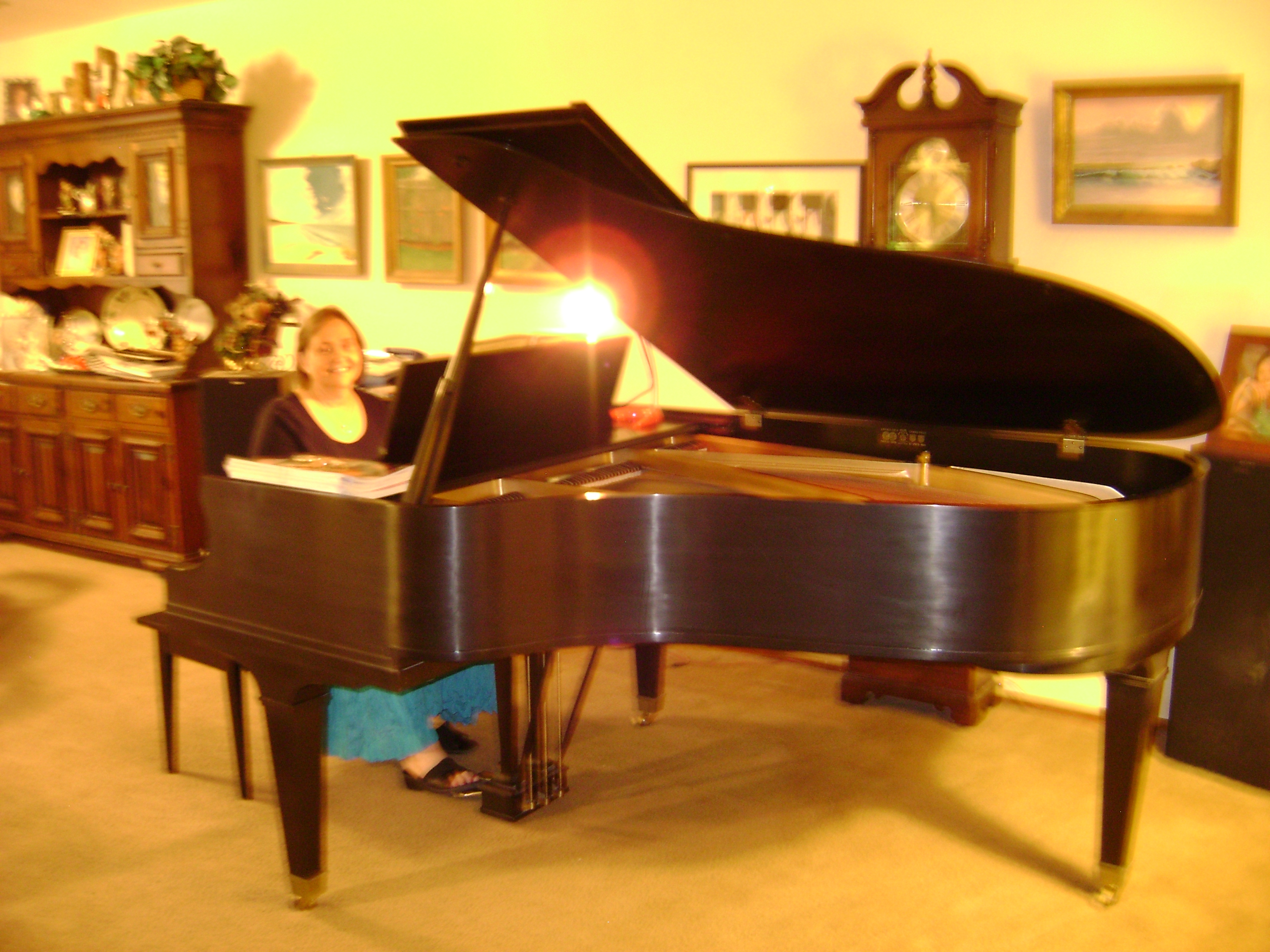
As a child, I dreaded practicing. Even as a music major (piano minor), even though I knew intellectually how critical practice is, I seldom practiced enough. My commitment to practice improved a few years ago when my husband and I bought a grand piano. It is such a pleasure to play that I now willingly practice almost every day—but that’s a topic for another post.

This article presupposes that you have some musical knowledge. I apologize if some of my terminology is unfamiliar to you.

If you are taking piano lessons, undoubtedly your teacher has assigned you some preparatory exercises, etudes (studies), and/or scales. Begin your daily practice time with these. Depending on your level of skill and commitment, you should spend anywhere from 10 to 60+ minutes of your practice on warm-ups. (The greater your skill and/or desire, the more time you will spend on warm-ups and on practice.)

Exercises

SchmittIf you are studying on your own, I recommend Aloys Schmitt and C.L. Hanon as two composers whose preparatory exercises have been used for over a century. Any of their books would be worthwhile to work through. These exercises take common snippets of melody and repeat them so that the musician gains facility in the technique and fingering necessary to play them. And, yes, the repetition will strengthen arm and hand muscles you didn’t know you had, just as an athlete’s workout does. The Schmitt exercises are repeated in the same position; the Hanon exercises repeat the same sequence of intervals but progressively starting on the next higher or lower pitch.Hanon

If you are just beginning to learn an exercise, practice with your dominant hand first, then with your less dominant hand, and then with both hands together. Start out slowly enough that you can play all notes correctly and with the specified fingers. Then, unless the exercise is specifically marked as staccato (detached), work on making it very legato (smooth and connected). Eventually, you should practice all sorts of attacks for each exercise—legato, marcato (accented), staccato, szfortzando (suddenly loud and then soft again), and different dynamic (volume) levels. When you can play the exercise smoothly, work on increasing speed. At first, practice each Schmitt exercise 20 times, each Hanon exercise 4 times. When you have mastered the exercise, you will review each exercise with fewer repetitions. Schmitt says it is of the utmost importance to play all the mastered exercises at least once every day. (Man, you could eventually spend your whole day just playing through your mastered exercises!) I recommend systematically reviewing all your exercises in a rotation that works for you.

Preparatory exercises are just one option for your practice warm-up. At a later date, I will post an entry about Etudes and Scales.

Did you find this post helpful? Is there something you would add to the practice of preparatory exercises? Post a comment below to join the conversation.

Posted in Music, Piano, Practicing, Practicing musical instruments, Practicing piano | Tagged , , , , | 7 Comments

Gracefully Gray…by Linda Carlblom

IMG_1063 copy_edited-1 copy

Linda on a particularly good hair day.

I’m one of those women who has never liked messing with my hair much. I keep it short so I don’t have to curl, straighten, or style it. I like the wash and wear (though I do blow-dry) simplicity of short hair.

Years ago, like maybe fifteen to twenty, I thought it might be fun to put some blonde highlights in my hair. Not blonde, blonde. But something lighter than my usual dark, dark. I’d read somewhere that as you age, you should go with a lighter color to keep you looking younger. So after petting all the hair samples at the drugstore, I found the shade I wanted and brought it home. This would be fun!

Long story short, I did it. Then I shyly looked in the mirror when I was done to see the result. Red. My hair was not highlighted with streams of sunshine, but red streaks. I’ll let you draw your own comparisons. Maybe I didn’t get a light enough shade, I thought. But the next time I tried it with a shade that was shockingly light on the box, I had the same result.

I consulted a hair stylist who told me apparently I have natural red highlights in my hair that just want to stay that way. Hmph. Of course, if I wanted to come into the shop and pay an ungodly amount, she could make them come out the way I wanted. I didn’t want them that bad. Remember, I’m a wash and wear kind of gal, who doesn’t like messing with my hair much.

Over the years, I’ve gotten my wish. I have the lighter highlights I spent money for at the drugstore. Only these are natural and more silvery than any of the boxes I saw on the shelf. I’ve let my hair go gray of its own freewill and, by golly, I love it! No covering roots. No hoping I got the right shade of dye. My gray glistens in the sun and doesn’t even show when it falls from my head onto the shower floor. It’s fabulous!

I have a way to go before I’m totally gray. I’m still in the salt and pepper highlights stage. But like food, isn’t life better with a little seasoning? I plan to enjoy every minute of growing Gracefully Gray.

Anyone else out there going with their natural, organic (I’ve heard those are big buzzwords these days) hair color? Let me hear from you in the comments!

Linda 


Posted in Aging, Health and Beauty, Humor, Life, Life Transitions | Tagged , , , , , | 13 Comments

Scrabble and Meat Loaf…Donna Clark Goodrich


Mother Holding Child's Hand

Scrabble™ and Meat Loaf

Donna Clark Goodrich

I met Esther on our first Sunday in Arizona. She was in our Sunday school class and, being only six weeks apart in age and with the same zany sense of humor, we clicked right away and became close friends.

Years later she helped me in my income tax business, coming in evenings after her daytime job with the city.

Then she was diagnosed with Guillain Barre Syndrome, followed by diabetes and kidney failure, leading to dialysis three times a week.

I talked with her often on the phone, and she would say, “C’mon over and play a game of Scrabble with me.”

“I will, as soon as I get caught up with my work,” I promised. But it seems I never did get “caught up,” then I received an email from our church prayer chain that she had passed away.

Another friend I met through our writers’ group was Lucky. She and her husband had adopted three children from Mexico who had been abused by a relative. Lucky wrote a book about her experience, leading to interviews on radio stations.

Then cancer struck. I would often see her in stores wearing a turban or nothing at all on her hairless scalp. Sometimes my husband or I would take her to chemo treatments.

I called her one day and asked if I could do anything for her. “I’d love some good meat loaf,” she said.

“That’s not one of my specialties,” I laughed, “but I’ll bring over something else in a couple of days.” However, three days later she was gone.

Regrets? Definitely. But I’ve learned two things: Don’t promise something you can’t do, and when you do promise something, make sure you can carry out that promise.

What can you do for a sick friend?

When my husband was in a care center for five weeks, friends:

  • Replenished my cell phone
  • Took me to lunch
  • Brought over a “care basket” with packages of soup, cookies, cocoa, and a devotional booklet.

When my mother was in the hospital after cancer surgery, friends

  • Sent her cards every week
  • Gave out their phone number so people could call them for updates
  • Kept coffee and soup warm at her house for family members

There’s always something you can do—even if it’s not Scrabble and meat loaf!

What would you like friends to do for you when you’re sick?


Posted in Uncategorized | Tagged | 3 Comments