
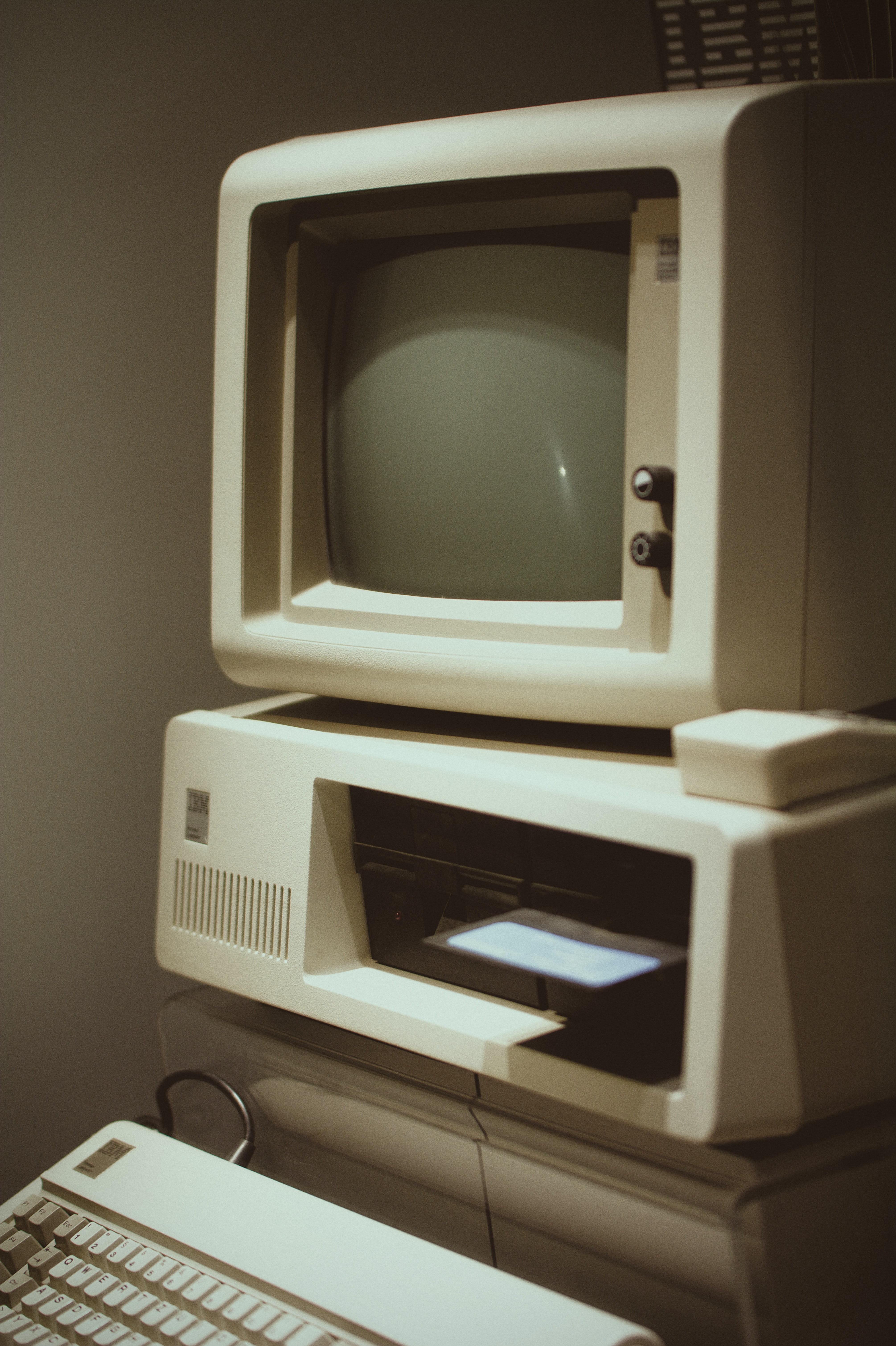
Technology is both a blessing and a curse. Technological advances have effected every occupation, and writing is no exception.
From typewriter to computer
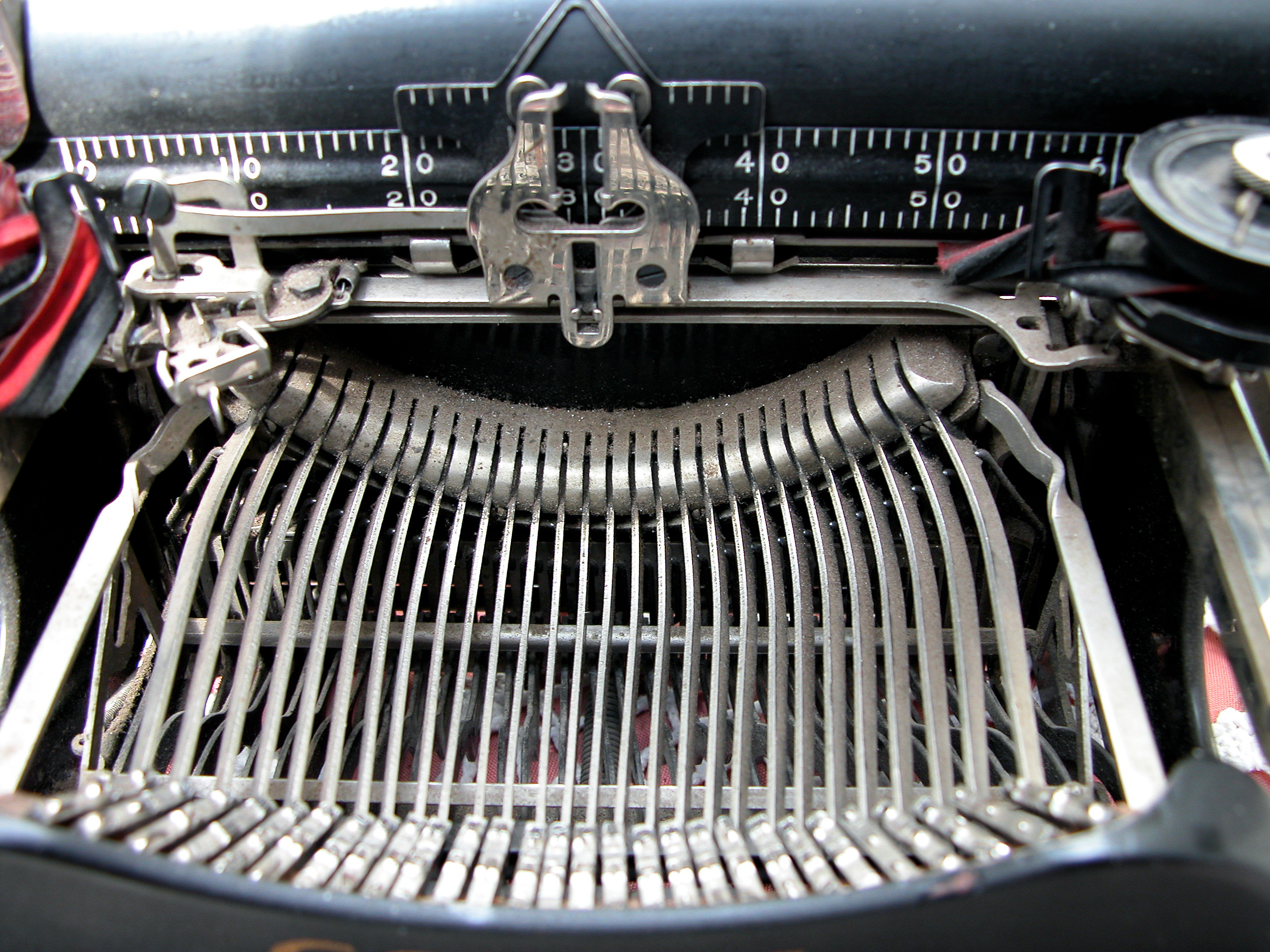
When I started freelance writing in the early 1990s, I wrote my drafts by hand either in notebooks or on loose-leaf paper, and when I was satisfied with my final draft, I typed it out. That sounds easier than it actually was. I was a terrible typist: I rarely had only one error per page, and retyping the page didn’t guarantee I’d have fewer mistakes.
Personal computers were just becoming a thing, and they were expensive. Instead, I bought a word processor, which worked fine for me, but one of my editors preferred to get manuscripts via floppy disc, so we eventually bit the bullet and bought a computer. This was a bare-bones Mac with no internet capability. Now every few years we upgrade (kicking and screaming) to a more current machine. I currently use a year-old MacBookAir recently updated to Big Sur.
From snail mail to email or other electronic forms
In the old days, I had to mail my manuscripts, enclosing a self-addressed, stamped envelope for the reply and/or return of my manuscript. (No SASE, no response. Otherwise, you got some sort of acknowledgement, although you might have to wait six months for it.)
Now, virtually no one wants to deal with paper. Which is alright by me. But I am offended that so few agents and editors respond to a submission. They tell you upfront in their contact info that they are too busy. (In contrast to writers, who have nothing but time.)
From hard copy books to e-books
Electronic books were supposed to make hard copies obsolete. Instead, they are a purchasing option. Most books come out in both formats, and most readers buy some reads as e-books and others as hard copies.
And access to low-cost e-book production means that authors whose work isn’t snatched up by a traditional publisher can self-publish much more affordably than they used to (though it takes a lot of study to learn how to do it yourself).

From publisher-sponsored publicity to the rise of author websites, blogs, and social media
Once upon a time, the publishing house had a small promotional budget for even their unknown authors. Nowadays, unless you’re Stephen King or a Washington insider writing a Trump exposé, you get zip. You’re responsible for creating your own buzz. You’ve got to be an influencer, or know a few. You’ve got to blog, or at least have a good-looking author website. You’ve got to be on Facebook, Twitter, Instagram, TikTok, and whatever social media launched five minutes ago. Some publishers want to see how many followers you have before they even read your proposal.
Though I admit technology has made some aspects of my life easier—Google means I can do research without even leaving my home!—there are some things about the old days that I miss, such as getting a mailed acknowledgement of my submission, even a rejection slip.

 Allison Boley
 Carol Boley
 dgood648
 Joy
Joy Andrea R Huelsenbeck
 Betty Mason Arthurs
 Linda Carlblom
 Peggy Levesque
 tuesdayschildren100
 Judy Robertson
 Doing Life Together
I enjoyed reading about the things you’ve gone through to be published. Some of it sounded painful. I’ve used a typewriter or computer to write letters to family and friends since I was 18 years old. Now I love blogging. There are a few computer blips from time to time, but it certainly beats using a typewriter!
LikeLiked by 1 person
Oh yeah, so many things have changed, but I have to admit I still am a fan of ‘old technology’, as I still correspond through snail mail, use pens to draft, and read physical books. Great post. Thanks for sharing!
LikeLiked by 1 person