

Wisdom From Past Presidents
“There are men and women who make the world better just by being the kind of people they are. They have the gift of kindness or courage or loyalty or integrity. It really matters very little whether they are behind the wheel of a truck or running a business or bringing up a family. They teach the truth by living it.” — James Garfield
“It is amazing what you can accomplish if you do not care who gets the credit.” — Harry S. Truman
“Life takes its own turns, makes its own demands, writes its own story, and along the way, we start to realize we are not the author.” — George W. Bush
“In matters of style, swim with the current; in matters of principle, stand like a rock.” — Thomas Jefferson.
“Do what you can, with what you have, where you are.” — Theodore Roosevelt
“If you’re walking down the right path and you’re willing to keep walking, eventually you’ll make progress.” — Barak Obama
“Our nation is shaped by the constant battle between our better angels and our darkest impulses. It is time for our better angels to prevail.” — Joe Biden
“No person was ever honored for what he received. Honor has been the reward for what he gave.” — Calvin Coolidge
“If we want to invest in the prosperity of our nation, we must invest in the education of our children so that their talents may be fully employed.” — Bill Clinton
“The strongest of all governments is that which is most free.” — William Henry Harrison
“Peace is more than just an absence of war. True peace is justice, true peace is freedom, and true peace dictates the recognition of human rights.” — Ronald Reagan
“We have come tardily to the tremendous task of cleaning up our environment. We should have moved with similar zeal at least a decade ago. But no purpose is served by post-mortems. With visionary zeal but the greatest realism, we must now address ourselves to the vast problems that confront us.” — Gerald Ford
“History teaches, perhaps, very few clear lessons. But surely one such lesson learned by the world at great cost is that aggression, unopposed, becomes a contagious disease.” — Jimmy Carter
Two Catch-Up Reviews
When I read a book, I like to write a review for two reasons. First, it helps me remember what the book was about and if I liked it. Second, I can post it, so people who might want to read the book will know what’s good or not so good about it (in my humble opinion) and can make an informed decision.
Sometimes I take notes as I’m reading, which makes it very easy to write a review afterward. Other times I’ll turn over the corners of pages I found particularly interesting, or underline and make notes directly in the book. (Yes, I’m one of those readers.)
Theoretically, I want to review the book within a day or two of finishing, so that the experience is still fresh in my mind. In actuality, I get distracted with other things, and discover months (and years) later that I’ve neglected to review the book, necessitating a reread or at least a good skimming to remind myself of what I found noteworthy.
Today’s books are ones that I read in 2021.
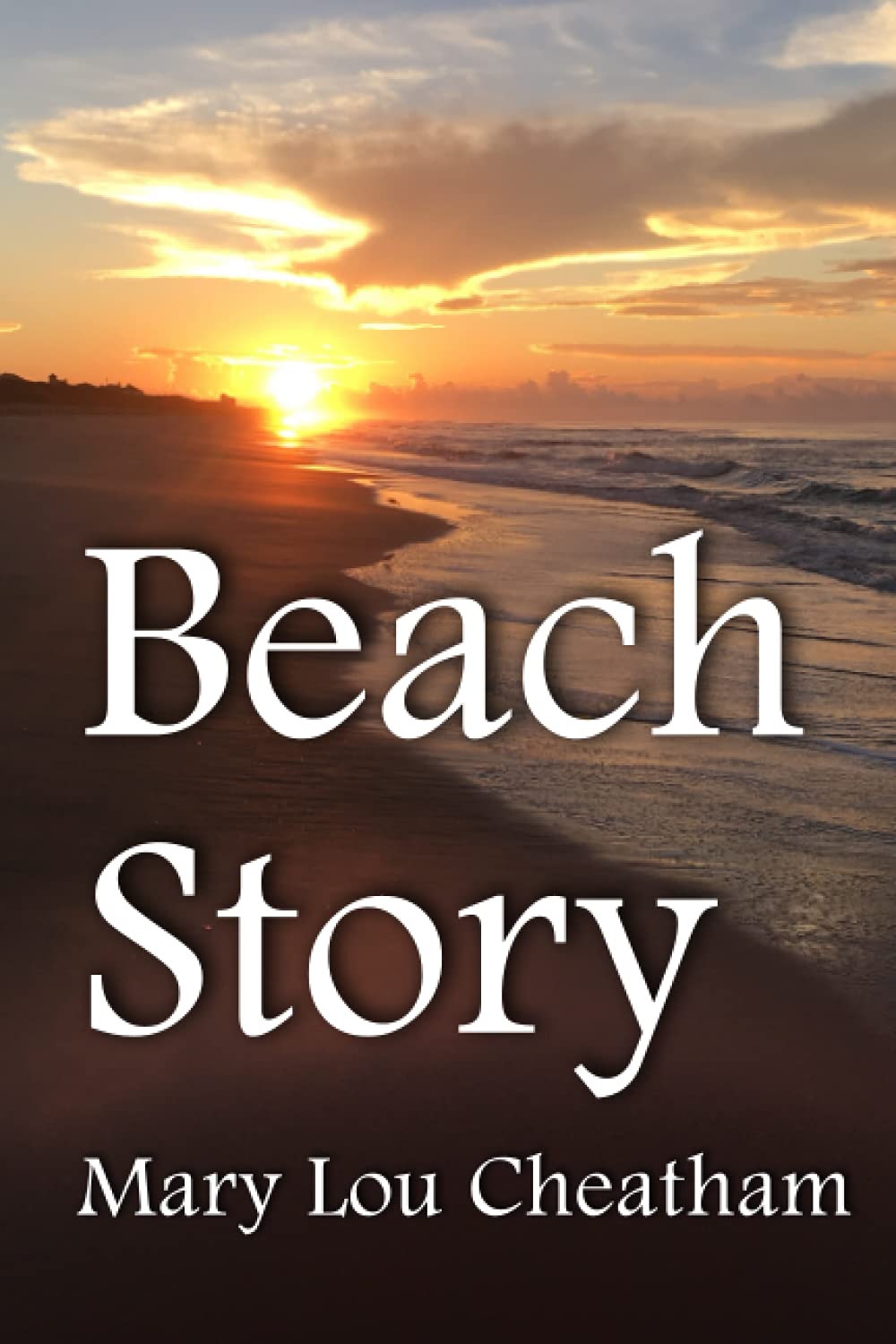
Beach Story by Mary Lou Cheatham. I read this in Kindle form. One of the things I love about this mystery/thriller is that the main character has Asperger’s Syndrome, and the author treats her with the utmost respect, not mining her neurodiversity for laughs. It makes me think that Cheatham may be well-acquainted with people on the spectrum, know their issues, and perceive them as whole human beings.
Dove Abernathy is an accomplished artist and a beautiful young woman. Her nurturing mother has seen to it that she’s had a great deal of therapy and coaching so that she can compensate for her disorder and behave in a more typical manner. Her cold father, however, writes her off as “crazy.”
One day when Dove’s mother fails to return from her customary afternoon trip to the church’s prayer garden, Dove goes there to find her—deathly still on the ground. The doctors determine that the mother has severe brain trauma, and will need round-the-clock assistance for the rest of her life. Dove wants to be the one to take care of her. Dove’s father suggests she and her mother move into two beach properties he owns, and Dove prepares the condos for her mother’s release from the hospital. Unbeknownst to Dove, her father also hires a young investigator to watch over her from a distance and protect her.
This is a dark novel of loss and of stolen identity and of secrets and of crimes that come back to haunt, but it’s also a love story. It’s a complex storyline with many twists and turns, and at one point I lost the thread and didn’t understand what was happening. Cheatham does a good job of helping us understand Dove’s thought processes, though I wish I had seen more evidence of her falling in love. Despite those two criticisms, Beach Story is well worth your time, though it is not your typical light-hearted beach read.
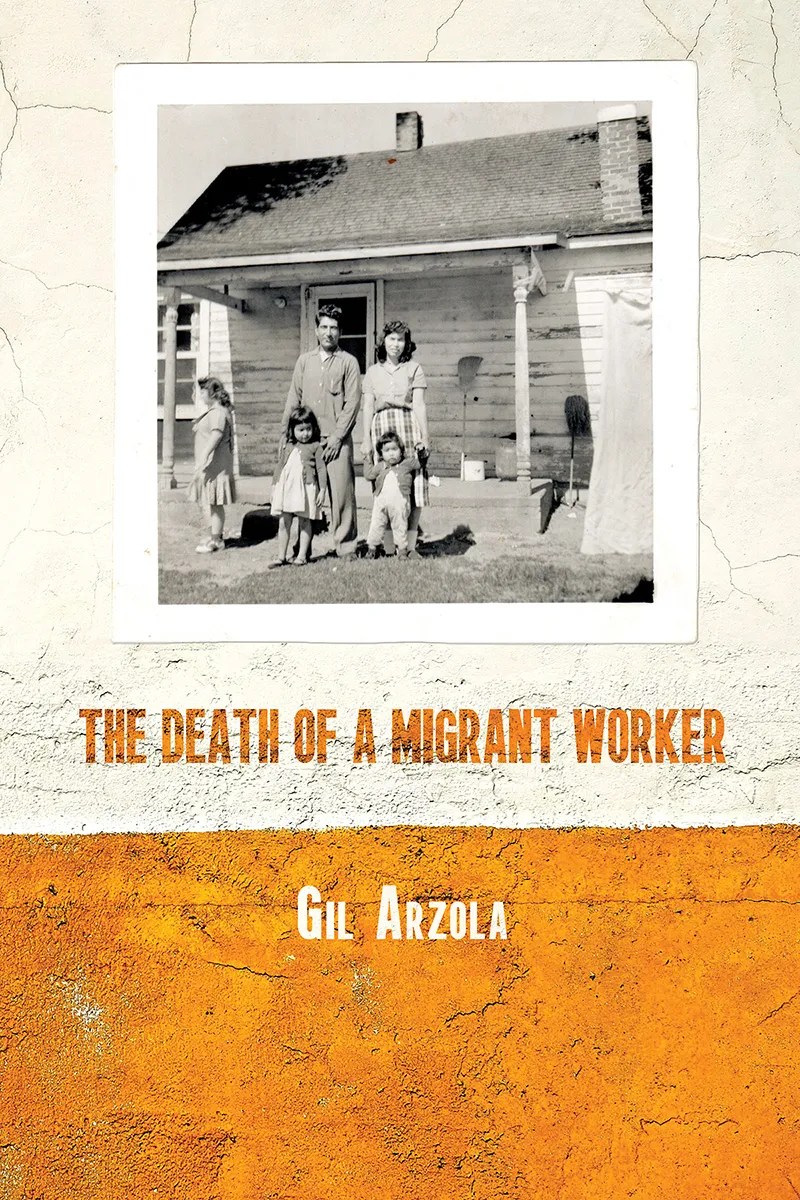
The Death of a Migrant Worker by Gil Arzola. I love the Rattle Foundation. They run two prestigious poetry contests each year. I’ve been entering both for years. The Death of a Migrant Worker was one of the chapbook contest winners from 2021. I always read the winning chapbooks (and I always wish I was one of the winners).
The Death of a Migrant Worker is a hard book to read, yet it’s important to read, especially for readers who have never had to tackle hardship, loss, poverty, and hopelessness on the scale of these poems and the people whose lives they describe. The poems take various forms, all unrhymed, all sad. If you’d like to read about the plight of migrant families, the book is only $6, and available at Rattle.com.
Posted in Book reviews
Tagged Beach Story, Gil Arzola, Mary Lou Cheatham, The Death of a Migrant Worker
Leave a comment
Creativity and Inspiration

Creativity is a process, not a destination.
Nevertheless, it is the hope of every artist that inspiration and creativity result in works that can be shared with others, whether it’s a new interpretation of a musical piece, or a sculpture, or a novel, or a quilt.
Still, it’s important that we aren’t so focused on the finished project that we don’t allow our creative “muscles” to exercise and develop.
So, how do we enhance our creativity?
- Daydream. When I was in elementary school, my teachers consistently had two complaints about me: I socialized too much in the classroom, and I daydreamed. I spent worktime exploring imaginary rabbit holes instead of finishing assignments. While my instructors knew I was capable of the work, that far-off look in my eyes betrayed me—I was in a different world. Though it’s not a good strategy for, say, standardized tests, daydreaming can help you answer the question “What would happen if . . . ?” in strange and startling ways.
- Find inspiration. You can draw on your own experiences, passions, and emotions, but diverse sources can also spark your imagination, so don’t think you have to sit at your desk. Go outside. Go to the mall. Haunt bookstores, museums, hiking trails, the beach. Play with your nieces and nephews. Live life. Inspiration is all around you. Seek it out.
- Make creating a daily habit. Daydreaming and refilling your well with inspiring activities (see the above bullet points) counts. But if you’re not actively making your art, at least take notes. Brainstorm ideas. Break down your big projects into achievable steps and begin work on one. Make a preliminary sketch. Write a synopsis. Jot down a few phrases that you’ll include in the lyrics of your new song.
- Utilize prompts and exercises. If you get stuck, use other’s ideas to get yourself going again. For example, the internet is full of prompts, such as these poetry prompts. Or get an instructional book for your art, and work through the exercises. You might even take a class at the local community college or adult education center. Which leads to the next suggestion. . .
- Surround yourself with creative people. Classes, workshops, conferences, clubs, and professional organizations are great ways to keep growing in your art, with the added bonus of networking with people who support each other in their creative endeavors. When you meet people whose work you admire or who give you excellent feedback on your work, build relationships. Stay in touch. Share your work, and give honest appraisals of and suggestions for their work. We all benefit from artistic communities.
- Experiment and take risks. Creativity often involves doing something nobody’s ever done before. Put a bit of yourself into the project. Do something outrageous. Break some rules. Caveat: your experiment may fail. Don’t take it personally. You may just be before your time. And that’s perfectly okay. Which leads to the next suggestion. . .
- Edit and revise. Your first version of your project will not be a masterpiece. And that’s as it should be. Don’t be in a hurry to get your baby out there. Take the time to make it better. Let it sit awhile, and look at it with fresh eyes. While you should turn off your inner critic while you are in the throes of creation, now look at your piece and identify its flaws. Do what you can to improve it, and then ask some of your most trusted peeps (from your community of creatives, see above) for feedback. Consider their opinions, and apply what resonates with you. This is a necessary part of the creative process. Repeat as many times as necessary.
Now it’s your turn. Share your thoughts in the comments below. Do you have a technique for coming up with ideas or interesting twists for your art? What do you do when you’re experiencing a scarcity of inspiration?
Video for Black History Month: Alma Thomas
She taught art in a Washington, DC junior high school for 35 years. Then she invented a new style of painting that became known as “Alma Stripes.” Michelle Obama purchased one of her paintings for the dining room in the President’s residence in the White House.
Video of the Day: Dueling Banjos
Posted in Music, YouTube
Tagged Banjo, Dueling Banjos, Kermit the Frog, Steve Martin
Leave a comment
 Allison Boley
 Carol Boley
 dgood648
 Joy
Joy Andrea R Huelsenbeck
 Betty Mason Arthurs
 Linda Carlblom
 Peggy Levesque
 tuesdayschildren100
 Judy Robertson
 Doing Life Together