

Lemon Surprise
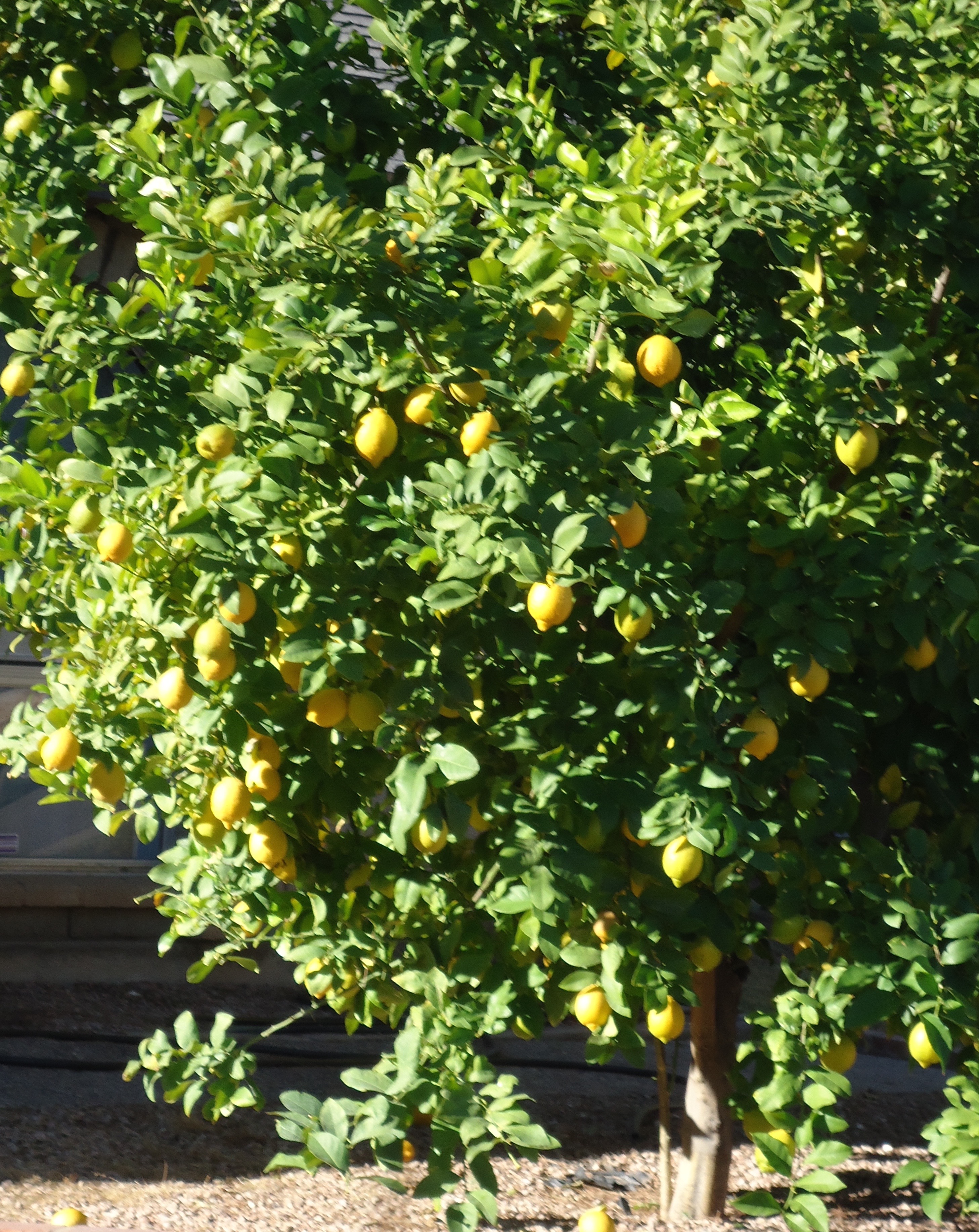
A few years ago we had our yard landscaped, and we acquired three citrus trees: an orange, a grapefruit, and a lemon. These last two years we had a a huge yield of lemons. I still have lemons on the tree. We love to squeeze fresh lemon juice into our drinking water—so refreshing!
One day I picked a doubled-brown-paper grocery bagful of lemons. These are Meyer lemons, and they grow to the size of little Nerf footballs, with knobby little protuberances on them. My friends have told me to freeze fresh lemon juice in ice cube trays, then store the cubes in baggies in the freezer and use them as you need them. Sounds like a good idea!
I bought a bunch of plastic ice cube trays at the dollar store, got out my 40-year-old electric juicer, and squoze away. I’d been grabbing the lemons one at a time out of the bag.
When I was down to my last tray, I peeked into the bag to see how many lemons were still in there.
The good news: only three left.
The bad news: there was also a scorpion wiggling around in the bag.
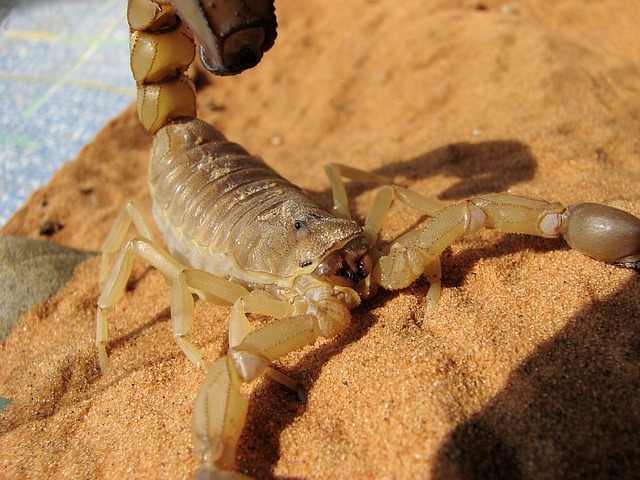
We live in Arizona. We are no strangers to scorpions. We go for months without seeing any, and then one will tour the bathroom. We have flyswatters hanging on nails throughout the house; they are my weapon of choice against scorpions.
I took the bag outside and dumped it out on the patio. The scorpion, a common tan bark scorpion, and a big one at that, about four inches, lifted his enormous claws, stuck his powerful tail up in the air, and marched right toward me. I could have just stepped on him, but he was huge—what if I missed? He looked like he could hold a grudge.
Not seeing anything good to whack him with, I ran into the house to get my flyswatter. When I came out, he was nowhere to be found.
The next morning, I let Ralph outside, and I noticed all the water had evaporated from his bowl on the patio. So I picked it up to refill it. . .
. . . and there, underneath, was the scorpion. He took one look at me, said, “What?! You again?!” and brandished his claws and stinger at me.
I ran inside for my flyswatter, and when I returned—he was gone again.
I haven’t seen him since.
But that doesn’t mean he’s gone.
Watermelon Poem
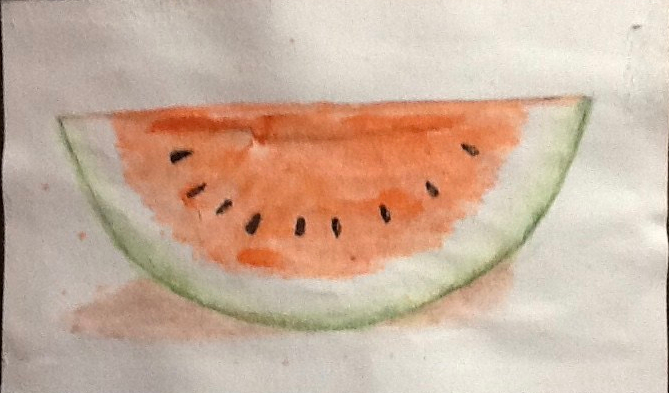
Watermelon
by ARHuelsenbeck

it takes both arms to carry you
my green-striped beauty
I can’t wait to plunge my long knife
into your bright red flesh

but first I clear an entire shelf
in the fridge
because you are best when icy cold

while waiting I remember
my childhood end-of-summer ritual
celebrating with green-white-red smiles
juice running down our chins
soaking our t-shirts
and bombarding each other with
seeds fired from our deadly lips
Imposter Grandmother

Starting with a line from Sylvia
by ARHuelsenbeck

they stand about in grandmotherly disguise
these imposters
they have no grandchildren
so they acquire others’ by deceit
luring them with cookies and other forbidden sweets
knitting them scratchy sweaters in colors so 1970

they wander the neighborhood and
patronize lemonade stands and
pontificate how in their day the
sweet nectar of the sour tree cost only 5 cents
but buy today’s cup of crystal lite
for a dollar

how dare they send birthday and Halloween cards
to my little sweeties
how dare they call them punkin and cupcake
and take selfies with them
hands off, geezerettes

they’re mine
I earned them the hard way
by raising up my children
and waiting for them to do the same
Wisdom from Thomas Edison
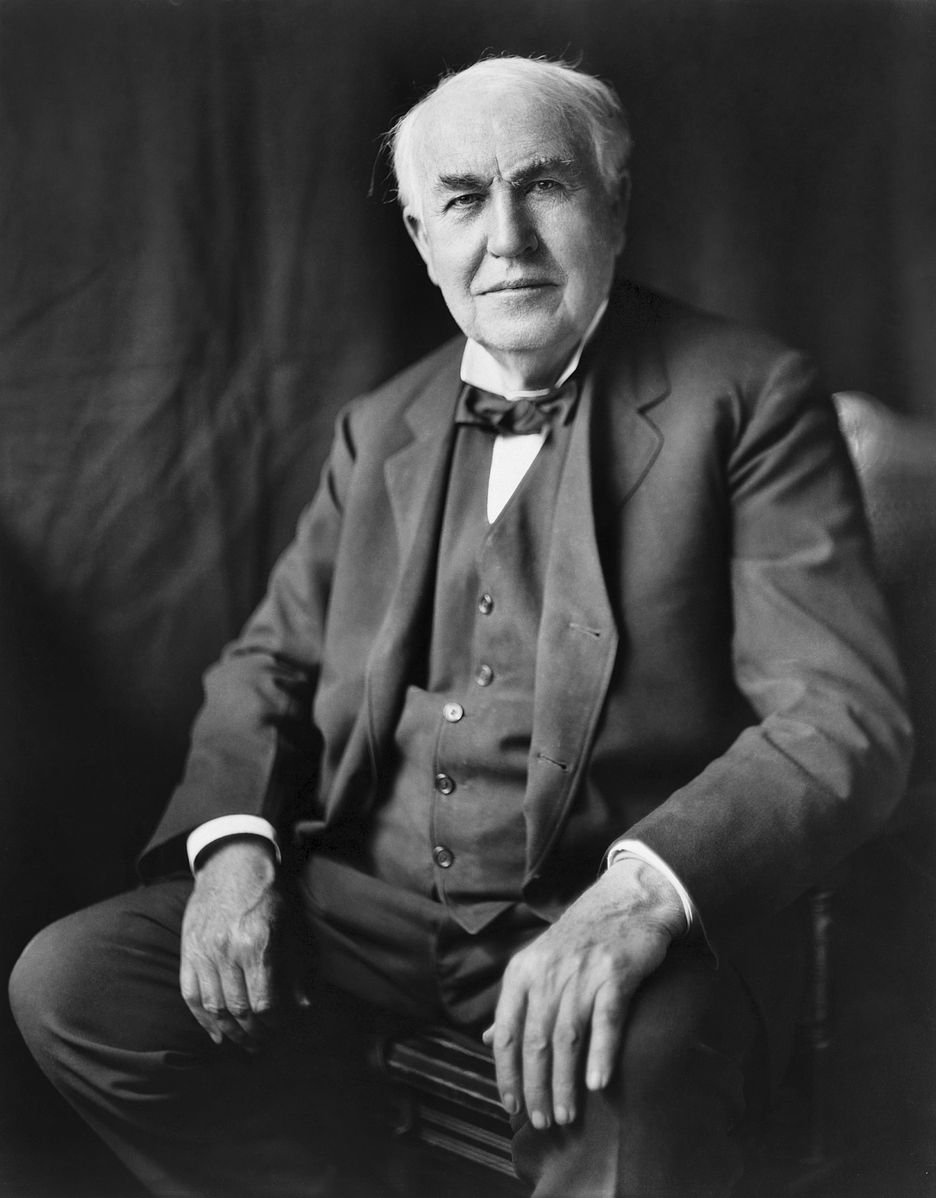
Wisdom from the mind of the great inventor, Thomas Alva Edison:
- Opportunity is missed by most people, because it is dressed in overalls and looks like work.
- To invent, you need a good imagination and a pile of junk.
- To have a great idea, have a lot of them.
- The chief function of the body is to carry the brain around.
- Nearly every man who develops an idea works it up to the point where it looks impossible, and then he gets discouraged. That’s not the place to become discouraged.
- The best thinking has been done in solitude. The worst has been done in turmoil.
- I find my greatest pleasure, and so my reward, in the work that precedes what the world calls success.
- The doctor of the future will give no medicine but will instruct his patient in the care of the human frame, in diet, and the cause and prevention of disease.
Pandemic Prayer

More than a year ago, I wrote this poem. It’s encouraging to think that we’re finally getting close to the end of this pandemic.
Pandemic Prayer
by ARHuelsenbeck

Lord, I pray for an end to this pandemic
and yet, as the words leave my heart
I wonder if it’s even good to ask for
an end to the dying
an end to the pain
an end to economic chaos
an end to inconvenience
an end to isolation

what if this is Your way
of welcoming people to eternity
with You, an exodus from pain to paradise
or of reconnecting parents with children
and workers with their neighborhoods
what if this disease is accomplishing Your purpose

I still want to hang on to the way things were
when I could go to rehearsals
or out to dinner and a movie
when I could hug my friends
or even be in the same room with them

Your will be done
please strengthen me for what’s to come
My church reopened for in-person worship this week. We haven’t attended yet, but hope to soon.
Here’s a video of the last time our bell choir played. The song is “My Jesus, I love You.” I’m the short one in the back row.
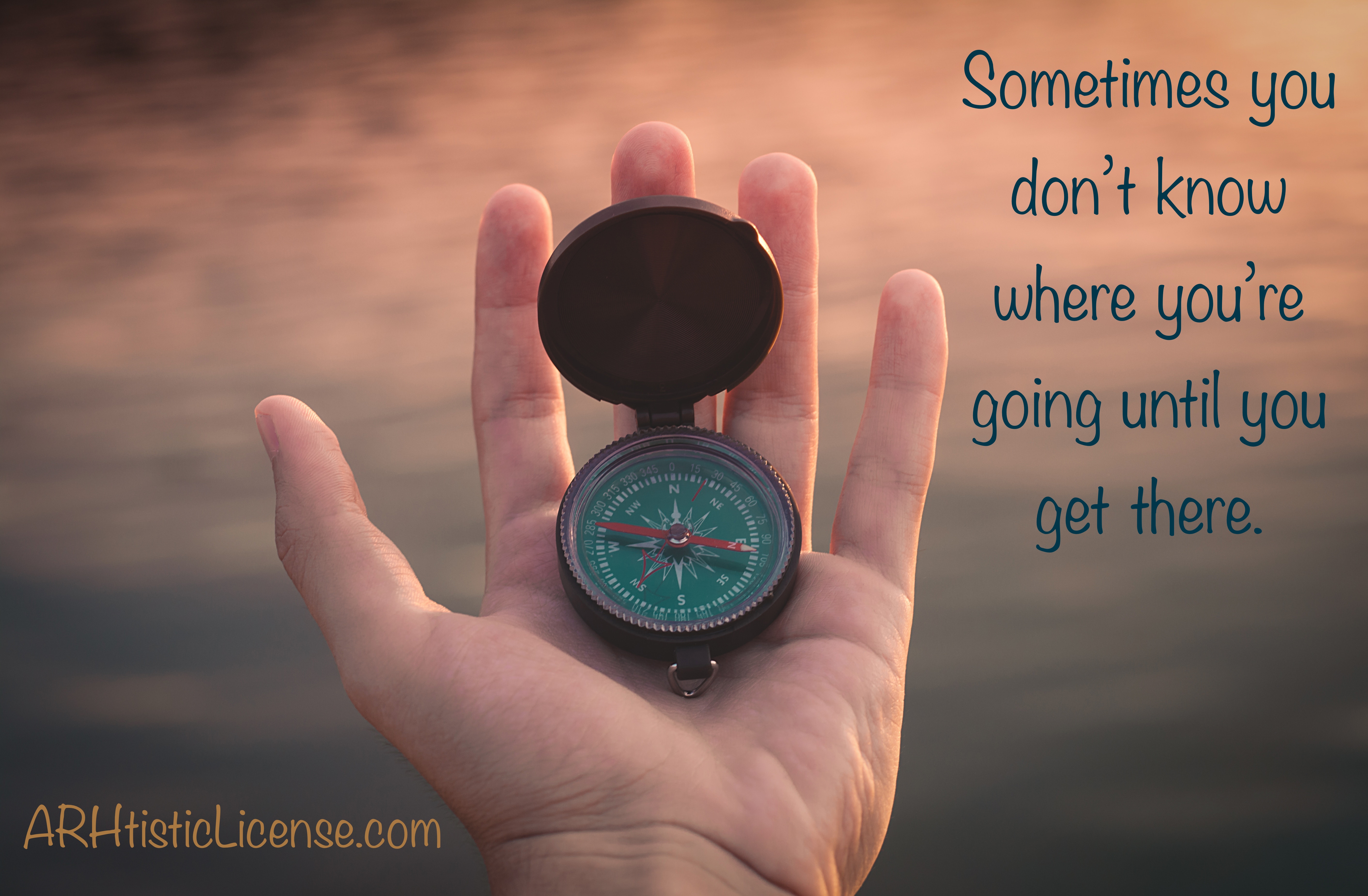
In the Meme Time: Where Are You Going?
Posted in Creativity, Doing Life Together, Motivation
Leave a comment

Kids Making Music
Back in the day, I was an elementary general music teacher. It gives me great pleasure to see kids having fun making beautiful music.
I’ve been bummed out by our long pandemic season. It’s affected my blogging in that I just don’t feel excited about writing. But then I thought, What could be better or more life-affirming than kids making music? So I headed to YouTube. (Oh, yeah, like you haven’t been watching cat videos while stuck at home.)
A six year old at Carnegie Hall:
Three year old drummer:
Kids making music with found objects:
A six-year-old accompanies herself on ukulele:
Kids from all over the world cooperated to make this video. My students used to do this cup thing.
Seven year old guitarist:
You’ll recognize the three pieces in this medley played by nine- and ten-year-olds:
Hey, don’t you have an accordion stored under your bed? This would be a good time to pull it out and practice. . .
Review of Crazy Brave: A Memoir, by Joy Harjo
Joy Harjo is the current poet laureate of the United States, the first Native American to hold that position. I bought this book because I wanted to learn more about her.
Harjo is almost the same age as me, which made me like her immediately. However, our life experiences couldn’t be more different.
Harjo starts her memoir with the story of her parents and ends with her young adulthood. Her writing style is musical—even her prose is poetic. The poems included in the book reflect her native culture, which is woven throughout.
As a child, Joy was a good student, an artist who loved poetry, photography, and music.
Harjo’s parents divorced, and her mother married an older white man who physically and emotionally abused her and Joy and Joy’s sister and brothers.

Her stepfather wanted Joy gone, so he suggested sending her to a fundamentalist Christian school. Joy asked instead to be sent to an Indian boarding school, so she would have classmates who looked like her. The family applied through the Bureau of Indian Affairs and she was sent to the Institute of American Indian Arts in Santa Fe. She studied art and theater in addition to her academic subjects. When she graduated from the high school program, she was pregnant. The baby’s father promised to send her money to join him, but he didn’t.
Joy borrowed bus money from her brother to travel to her baby daddy’s home. They married, but the marriage didn’t last.
With tribal assistance, Harjo entered the University of New Mexico in a premed program. After one semester, she changed her major to studio art. She met a student who wrote poetry. Joy had always loved poetry; she had loved to recite it as a child. She thought poetry had to be in English. This young man wrote poetry about his tribe and his pueblo and his people and their ideals. He changed the way Harjo thought about poetry. She fell in love with the student, and he beat her. She bore him a daughter and named her Rainy Dawn. He was an alcoholic, and she eventually left him. The book ends shortly thereafter, with Harjo pursuing poetry.
This is an excellent book for a white person to read, especially one whose experience with Native Americans is as non-existent as mine. It’s eye-opening.
 Allison Boley
 Carol Boley
 dgood648
 Joy
Joy Andrea R Huelsenbeck
 Betty Mason Arthurs
 Linda Carlblom
 Peggy Levesque
 tuesdayschildren100
 Judy Robertson
 Doing Life Together